
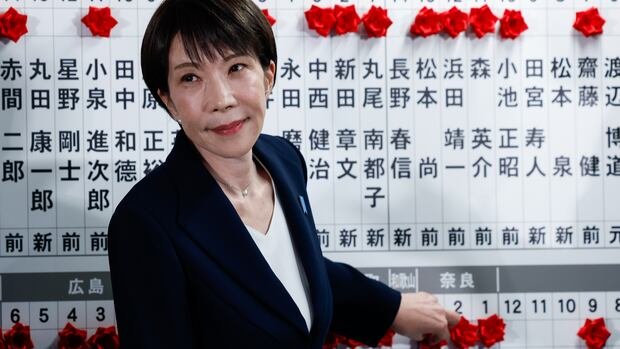

Japan’s ruling party, led by Prime Minister Sanae Takaichi, achieved a significant victory in a critical parliamentary election on Sunday, Japanese media reported based on initial results. Takaichi expressed readiness to implement policies aimed at strengthening Japan and fostering prosperity following her resounding win. According to NHK, the Liberal Democratic Party (LDP) under Takaichi’s leadership secured 316 seats in the lower house, surpassing the required 261-seat majority and setting a new record for the party since its establishment in 1955. Alongside its new ally, the Japan Innovation Party (JIP), the ruling coalition amassed a total of 352 seats.
The overwhelming success in the lower house, despite not holding a majority in the upper house, positions Takaichi to advance her right-wing agenda focusing on enhancing Japan’s economy and military capabilities amid escalating tensions with China and efforts to strengthen ties with the United States. Takaichi emphasized the importance of garnering support from the opposition while steadfastly pursuing her policy objectives.
Popular among the public, Takaichi’s leadership has sparked enthusiasm, particularly among younger demographics previously disengaged from politics. The fragmented opposition failed to present a significant challenge, with projections indicating a decline for the LDP’s former coalition partner, the Komeito party, and the Constitutional Democratic Party of Japan.
Takaichi’s proposed policies include a shift towards conservative stances on security, immigration, and other key issues. The prime minister aims to bolster Japan’s offensive military capabilities, revise security and defense strategies, and increase defense spending. Her administration is expected to maintain stable relations with South Korea while navigating potential concerns over Japan’s historical militarism.
Looking ahead, Takaichi’s focus will be on implementing her policy agenda until the next election in 2028. While her rightward shift signals a departure from past policies, she faces challenges in addressing issues such as military expenditure, diplomatic relations with China, and civil rights implications of proposed measures.