
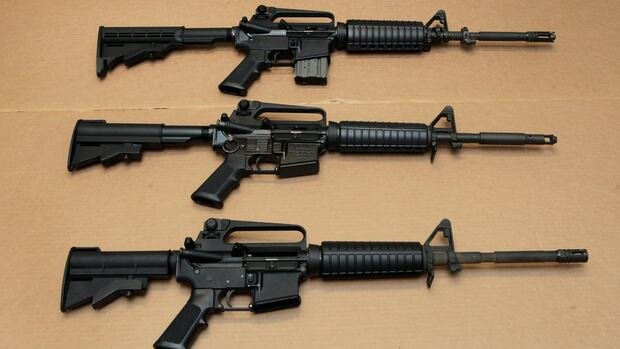

The gun buyback program initiated by the federal government is encountering challenges in Alberta, where the province has opted not to support or engage in the initiative. Since 2020, the government has prohibited approximately 2,500 models of “assault-style” firearms, arguing that these weapons are designed for combat rather than recreational or hunting purposes.
Participation in the Assault-Style Firearms Compensation Program (ASFCP) is voluntary, with gun owners having until March 31 to express their willingness to surrender their banned firearms and receive compensation from the federal government. However, Alberta has passed legislation refusing to participate in the compensation program and has barred local law enforcement from involvement.
Alberta has joined Saskatchewan in enacting laws to resist the enforcement of the buyback program, while Manitoba has also declared its non-enforcement stance. Despite the program being voluntary, it remains illegal for Canadians to possess the prohibited firearms. Failure to declare interest by the March 31 deadline renders individuals ineligible for federal compensation upon surrendering their firearms, with the amnesty period for banned guns possession expiring on October 30.
While Alberta does not enforce the buyback program, residents can still submit declarations. The province’s chief firearms officer, Teri Bryant, stated that the federal government is responsible for enforcing the ASFCP in Alberta, as the provincial government will not allocate funds towards the program. This means that the federal government must appoint seizure agents to collect the firearms since Alberta law enforcement will not participate in the buyback program.
Individuals who declare their interest by March 31 are expected to receive compensation from the program’s funding pool of $248.6 million, covering approximately 136,000 prohibited firearms from individuals. However, surrendering or decommissioning firearms will only occur after 45 business days from validation. Submission of a declaration does not guarantee compensation, as applications and firearms require approval.
Concerns have been raised by gun businesses regarding the program’s reliability. JR Cox of Calgary-based firearms company Sterling Arms International expressed dissatisfaction with the government’s reliability based on their previous dealings with Ottawa. The business-based program resulted in the collection and destruction of 12,000 firearms.
In addition to participating in the program, Albertans can still surrender their prohibited firearms to the police without compensation. The Calgary Police Service confirmed that it will not partake in the program but will accept surrendered firearms without compensation. Last year, over 450 guns were voluntarily surrendered to the Calgary Police Service.