
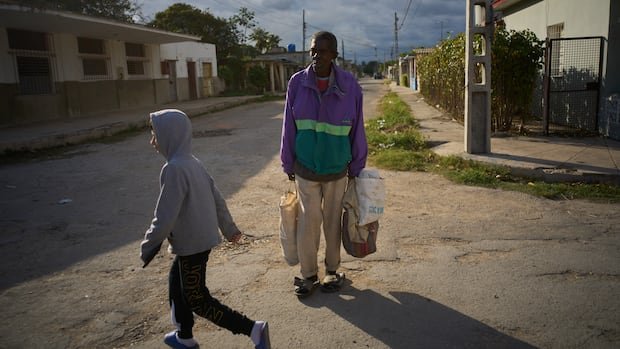

Amid a fuel shortage in Cuba caused by U.S. actions, some residents describe the situation as unbearable. Isben Peralta, a small business owner in Ciego De Avila, expresses concerns about the lack of basic necessities, highlighting the challenging conditions faced by many. Peralta mentions sporadic power availability, with some areas experiencing long hours without electricity.
The crisis escalated as Havana’s José Martí International Airport issued a warning about running out of jet fuel, leading Canadian airlines to suspend flights to Cuba. Historically reliant on Venezuela for oil, Cuba’s oil supply was disrupted after the U.S. imposed sanctions on countries selling it fuel, exacerbating an already strained energy situation in the country.
Former Canadian ambassador Mark Entwistle suggests that the U.S. is trying to destabilize Cuba’s economy. Despite ongoing hardships, he emphasizes the urgent need for humanitarian assistance to prevent further suffering among the population.
Luis Escalona, a Cuban living in Winnipeg, laments the challenges of being separated from his family in Cuba due to flight cancellations. He expresses disappointment over not being able to provide essential supplies to his family, who are struggling with limited resources and access to basic necessities.
While the situation remains dire in some parts of Cuba, Sean Lulker, a Canadian resident in Havana, notes the resilience of the Cuban people in coping with the crisis. Despite facing frequent power outages and shortages, businesses are finding ways to stay open and adapt to the challenging circumstances.
Overall, the fuel crisis in Cuba has created a humanitarian emergency, prompting calls for international aid to alleviate the suffering of the population.