
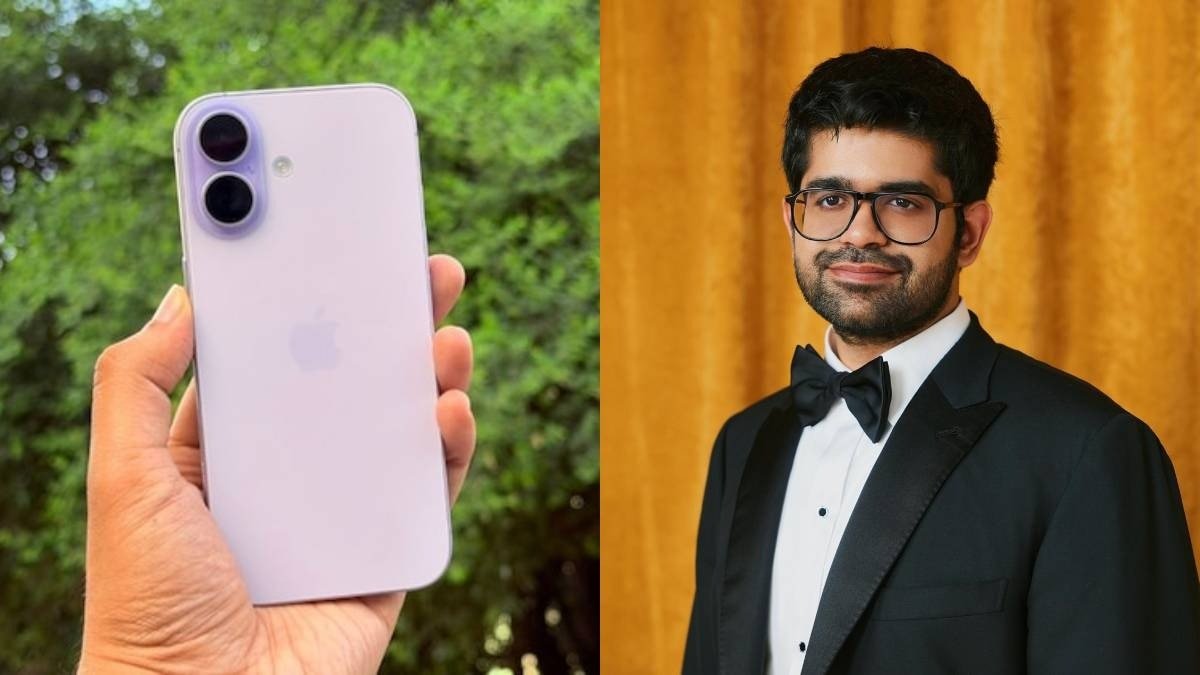

Apple fans are eagerly anticipating June for the Worldwide Developers Conference (WWDC), where Apple is expected to introduce its AI-driven Siri and other artificial intelligence functionalities. Despite the proliferation of AI in smartphones by various manufacturers, some, like Perplexity CEO Arvind Srinivas, argue that AI may not significantly impact iPhone sales. This viewpoint is supported by data showing Apple’s 21% market share and 5% year-over-year growth in Q1 2026, according to Counterpoint.
In 2025, Apple introduced a revamped Siri, but subsequent delays have hindered its progress. While recent iPhones incorporate AI-based Apple Intelligence features, these functionalities are perceived as lagging behind those found in Android devices.
Despite concerns raised by Perplexity’s CEO, Srinivas remains optimistic about the iPhone’s future sales, citing ongoing AI enhancements. Srinivas shared his perspective on the latest episode of the This Week in AI podcast.
“AI Not Disrupting iPhone Sales”
“My view is that AI isn’t disrupting the iPhone at all. As AI improves, the iPhone essentially becomes your digital identity,” remarked Srinivas.
Srinivas emphasized Apple’s ecosystem, chip technology, and hardware advantages, which foster consumer trust in the brand despite varying opinions on Siri’s performance.
“Despite differing views on Siri, Apple’s brand trust allows them the flexibility to prioritize quality over speed due to their ecosystem lock-in, chip superiority, and other underrated strengths,” Srinivas explained.
Strong Ecosystem Drives Growth
Counterpoint echoed similar sentiments, attributing growth to the stickiness of Apple’s ecosystem amid a challenging economic climate.
While this trend may not fully apply to India, Srinivas believes the iPhone’s integration into users’ lives, as a repository for cards, passes, and health records, transcends AI’s role.
“The iPhone serves as your digital hub, storing essential personal information, facilitating communication, and preserving cherished memories, irrespective of AI functionalities,” Srinivas elaborated.