
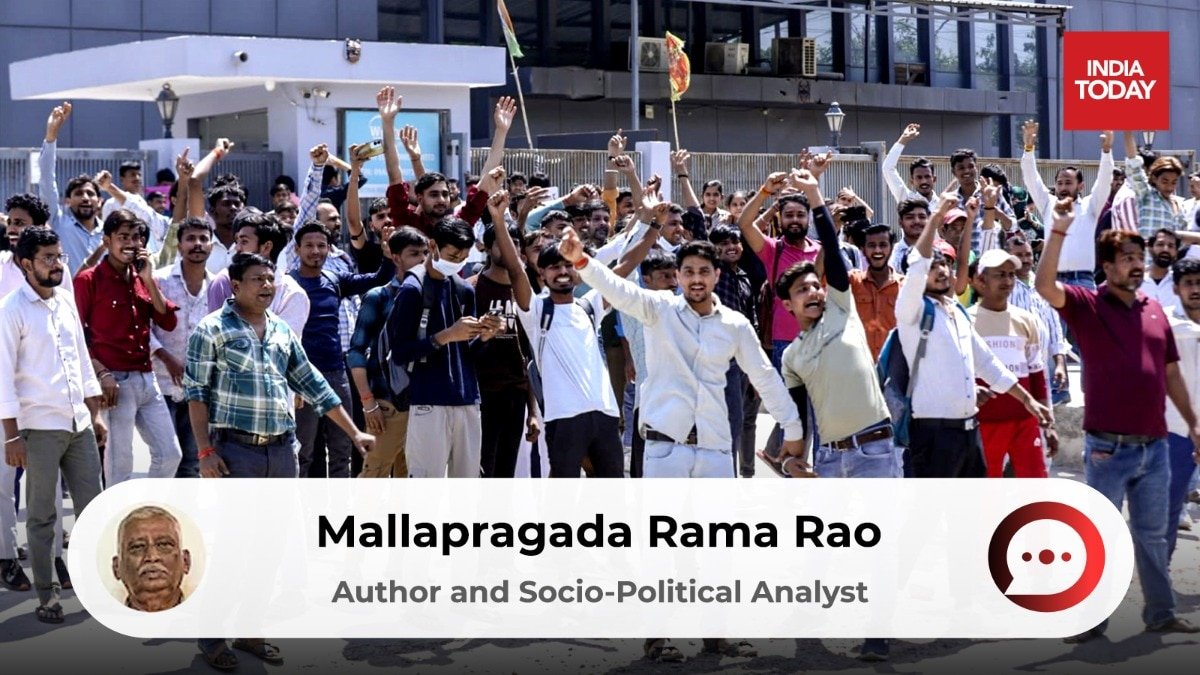

In Noida, a recent labor protest has shed light on issues of low wages, incorrect payouts, and substandard working conditions. This situation underscores the necessity of a robust regulatory framework, even if criticized as an “inspector raj.”
Official records often mask intentional efforts to deprive workers of their legal rights, indicating a systemic failure in enforcement. Employers, often assisted by labor consultants, employ tactics to circumvent labor protections, camouflaging their actions as “smart management.”
Instances of regulatory oversight contributing to these practices have also been observed. A factory inspection, initially reported as compliant, later revealed several workers engaged by external contractors outside the factory’s covered areas, circumventing labor laws.
An accident prompted a deeper investigation, uncovering more violations. Workers were found operating within the factory premises without proper insurance coverage, showcasing a clear disregard for legal obligations. The employer’s attempt to manipulate wage records as business expenses to evade scrutiny further highlighted the deliberate nature of these actions.
Upon confrontation, the employer agreed to rectify the situation, but discrepancies persisted. The absence of overtime payment records and disproportionate cash expenditures on meals raised further concerns about statutory compliance.
Following the inspection, a cautionary warning advised immediate departure due to potential false implications. This incident underscores the challenges faced in upholding labor standards amidst a complex regulatory environment.
Additionally, a discussion on the expansion of coverage under the ESI Act for educational institutions in Andhra Pradesh highlighted the ongoing need for awareness and compliance in the evolving regulatory landscape.
In conclusion, the need for stringent enforcement mechanisms remains crucial to combat labor violations and ensure fair working conditions for all employees.