

In a recent interview with an American television network, U.S. Treasury Secretary Scott Bessent advised Prime Minister Mark Carney to prioritize the interests of the Canadian people over his personal beliefs, especially with the upcoming USMCA negotiations. Bessent expressed concerns about Carney’s anti-American stance and how it could impact negotiations with the U.S., the country’s largest trading partner.
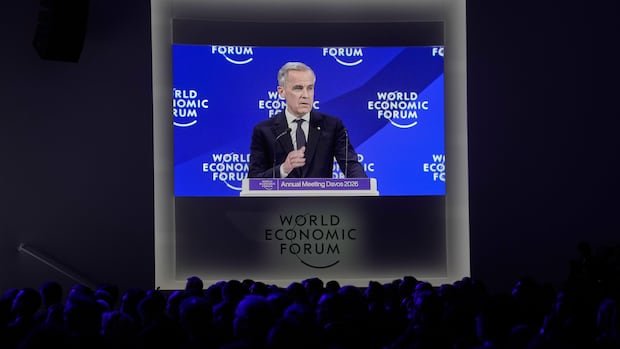
The focus of Bessent’s remarks stemmed from Carney’s well-received speech in Davos, Switzerland, which drew attention following President Donald Trump’s remarks urging Canada to show more gratitude. Bessent cautioned against engaging in political maneuvers that could jeopardize the USMCA talks.
While there is debate about Carney’s motives and the significance of his Davos speech, various stakeholders have weighed in on the matter. For instance, Goldy Hyder, president of the Business Council of Canada, raised doubts about the strategic implications of Carney’s stance on Trump and U.S.-Canada relations.
Moreover, there are differing opinions within Canada regarding Carney’s speech, with some criticizing its timing and perceived confrontational nature. However, others have praised Carney for addressing global shifts and advocating for honesty in political discourse.
The broader discussion centers on how Canada balances its sovereignty with its economic ties and geographical proximity to the U.S. While maintaining a positive relationship with the U.S. is crucial, leaders like Carney are also expected to uphold Canadian values and interests in negotiations.
As the debate continues, it remains essential for Canadian leaders to navigate diplomatic challenges with the U.S. while asserting the country’s autonomy. The ongoing dialogue reflects the complexity of Canada’s position as a middle power and raises questions about the future direction of its foreign policy.