
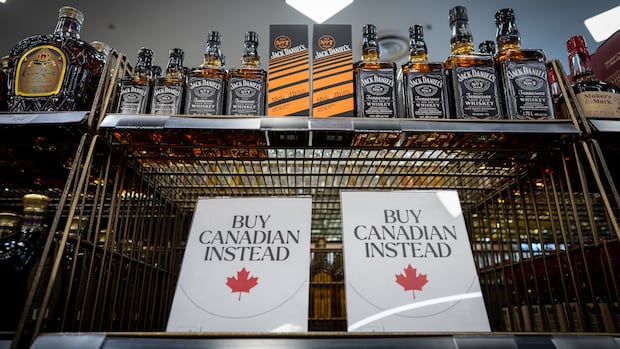

According to the NSLC, approximately a month ago, the organization had around $1.5 million worth of American alcoholic beverages left in its inventory, representing 10 percent of the stock compared to when it initially removed U.S. products from its shelves.
On Tuesday, Nova Scotia’s government-operated alcohol retailer and distributor published its financial results for the first quarter. It reported sales of just over $1.8 million in American beverages during this period, which lasted from April 1 to June 28.
In a subsequent email to CBC News, the NSLC indicated that on August 17, the remaining American stock was valued at about $1.5 million. This indicates that roughly 90 percent of the U.S. alcohol inventory has been sold off, and the NSLC has no intention of restocking.
The NSLC halted purchases of American alcohol in January 2025 and removed it from the shelves in March 2025 as part of Canada’s strategy in response to the trade conflict with the United States.
The total retail value of the alcohol that was taken off the shelves amounted to $14,896,652, which included more than 600,000 units of various products.
In December, the NSLC began selling the stock that had been warehoused, with the revenue directed towards community food initiatives.
In April, it was announced that 315 organizations would be awarded grants totaling $5.3 million from these sales, with individual amounts ranging from $1,000 to $350,000.
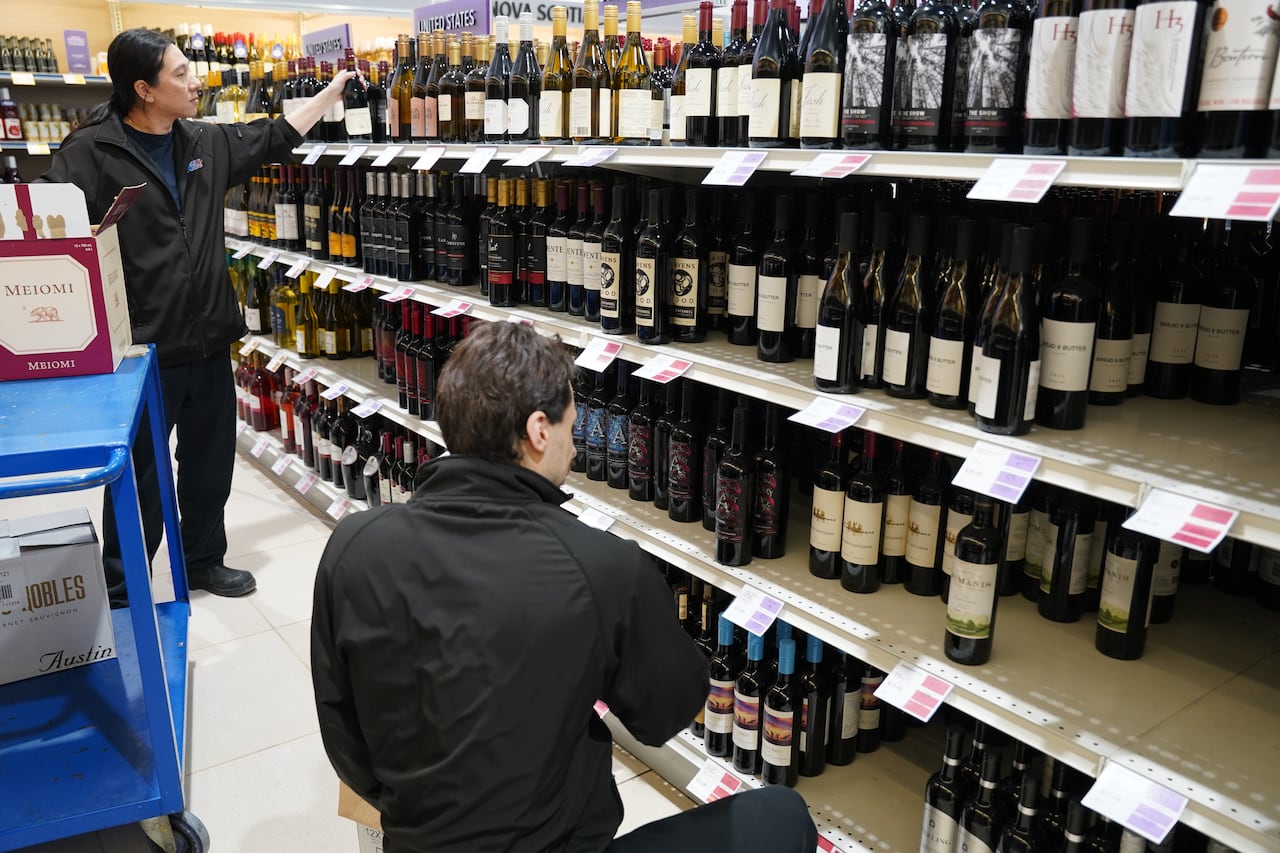
Two NSLC employees are shown removing American wine from the shelves at the Bayers Lake location in Halifax on Feb. 5, 2025, in what turned out to be a dry run for the eventual removal of all U.S. alcohol. (NSLC)
The revenues generated from the sales of American products since then will also benefit food security programs, as confirmed by a Finance Department representative to CBC last month.
The availability of American alcoholic beverages varies significantly across the country — ranging from full availability in Alberta to a complete lack of stock at the LCBO, Ontario’s government-operated liquor retailer, which is among the largest alcohol purchasers globally.
Many provinces, including Nova Scotia, find themselves positioned in between these extremes.
Significant trade issue
The choice of numerous Crown-operated alcohol retailers to refrain from purchasing American products has negatively impacted the U.S. alcohol sector and emerged as a significant trade concern.
Chris Swonger, president and CEO of the Distilled Spirits Council of the United States, stated in May to the CBC’s Power and Politics that these measures have been “devastating.”
“We are feeling the effects,” he remarked. “We are making our case to the Trump administration emphatically in hopes of finding some common ground.”
American exports saw a decline of 3.8 percent globally in 2025, largely attributed to the boycott of U.S. alcohol in various Canadian provinces.
The council noted that excluding Canada from the statistics would have resulted in a 2.5 percent increase in spirit exports for the year.
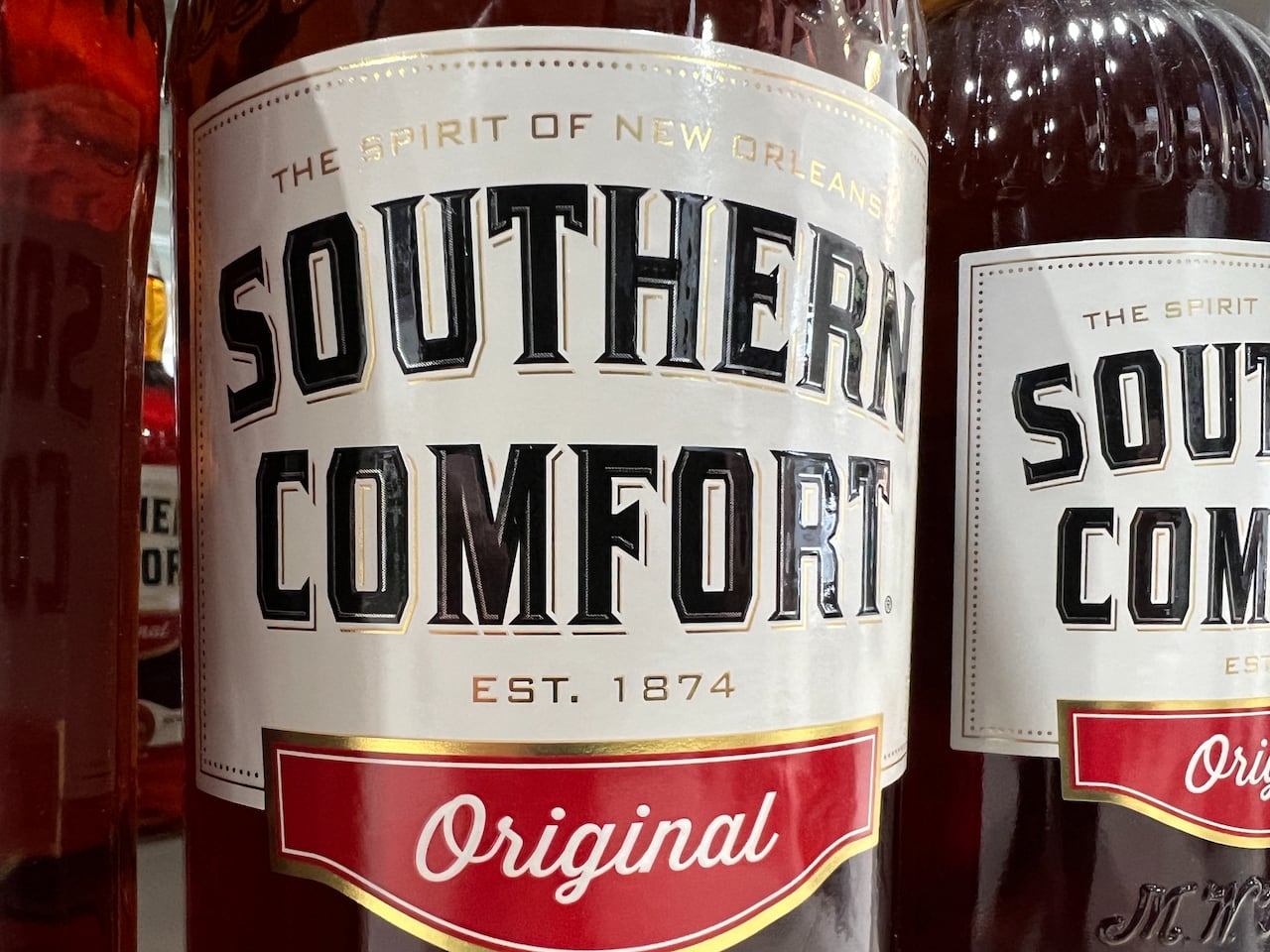
Southern Comfort promotes itself as ‘The spirit of New Orleans,’ but it is actually produced and bottled in Montreal, which allows it to remain for sale at the NSLC. (CBC)
Last year, Brown-Forman, the parent company of Jack Daniel’s whisky and Woodford Reserve bourbon, reported a 62 percent drop in sales to Canada during its first fiscal quarter.
In Nova Scotia, an American alcohol product is defined as one that is made, manufactured, or produced in the U.S. This definition allows beers like Budweiser or Coors, which are brewed in Canadian facilities, to remain available for purchase.
This also means that a product such as Southern Comfort — labeled as “The spirit of New Orleans” — continues to be sold at the NSLC because it is produced in Montreal.
MORE TOP STORIES
-
N.S. rafting company facing charges for disturbing humpback tells court it has new policies
-
Friends, family and community remember the life and legacy of Gerry Post
-
Woman charged with manslaughter in 2024 death at Dartmouth encampment
-
Decades later, family renews search for 17-year-old who went missing in woods
-
Students learn age-old craft of dory building in Lunenburg — in 2 weeks
Tag: rewrite-pending