
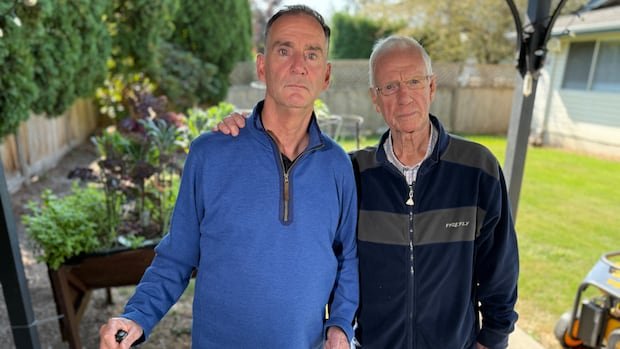

A man from Langley, British Columbia, facing challenges with mobility due to a car accident in 2006, finds it difficult to attend events at Rogers Arena, such as hockey games and concerts, as accessible seating intended for individuals with disabilities often gets occupied by those who may not require it. Michael Coss, who suffered a traumatic brain injury in the accident and uses a wheelchair or walker, emphasizes the importance of leisure activities for his well-being and sense of normalcy.
The designated accessible sections at Rogers Arena are designed to accommodate individuals with mobility challenges, providing ample legroom, convenient seating arrangements for attendants or companions, and easy access to food and drinks. However, the system for selling these accessible seats operates on an honor system, where individuals self-declare their need for such seating without any verification.
Coss expresses concern over the misuse of the accessible seating by individuals who do not have visible disabilities, thereby excluding those who genuinely require the specialized seating. The lack of enforcement mechanisms to ensure that accessible seats are reserved for those in need highlights a broader issue faced by individuals with disabilities in accessing appropriate accommodations at public venues.
Advocates, including disability rights groups and legal experts, call for more stringent measures to prevent the abuse of accessible seating systems at venues like Rogers Arena. Suggestions include implementing a verification process similar to the one used for accessible parking permits, where individuals would present a pass demonstrating their need for accessible seating.
While the venue, Rogers Arena, maintains that their approach aims to respect the privacy and dignity of all fans, critics argue that more proactive steps should be taken to ensure that accessible seating is utilized by those who require it. The lack of formal regulations governing accessible seating at entertainment venues places the onus on provincial governments to address the issue and establish clear guidelines for compliance.
Efforts to improve accessibility and prevent the misuse of designated seating areas for individuals with disabilities continue to be a point of contention, with stakeholders emphasizing the need for a coordinated approach involving venues, ticketing agencies, and government authorities. The goal is to create a fair and inclusive system that prioritizes the needs of individuals with genuine accessibility requirements, ultimately enhancing the overall experience for all patrons.