
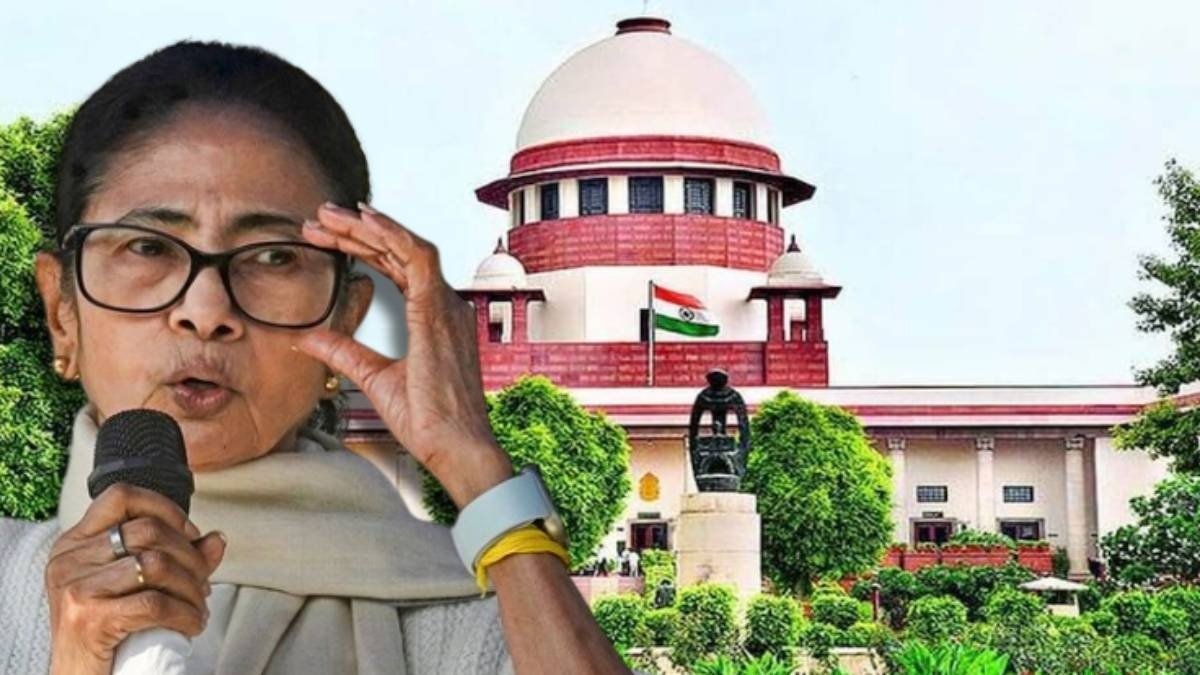

With just under three weeks remaining until the West Bengal Assembly elections, all eyes are on the upcoming Supreme Court SIR hearing coinciding with the deadline for the revised voter list submission by judicial officers.
The 294-seat Assembly is set to go to polls in two phases, but beneath the surface, a significant development is unfolding that could have widespread implications. The Supreme Court intervened on February 20, utilizing its extraordinary powers under Article 142 to address the “trust deficit” between the state government and the Election Commission of India (ECI).
The primary goal is to realign the derailed SIR process, prevent the removal of valid voters, and ensure complete justice as per Article 142. Despite several court orders issued more than a month ago, there is still a lack of clarity on the situation.
Approximately 33 lakh names are expected to be reinstated in the voter rolls during adjudication, out of the 60 lakh initially deleted, leaving around 27 lakh individuals still excluded. This estimation is based on a 45% exclusion rate from nearly 55 lakh cases resolved, highlighting the potential scale of disenfranchisement.
Concerns over the process and the perceived lack of coordination between the Election Commission and the Mamata Banerjee government prompted the Supreme Court’s intervention. The court directed the Calcutta High Court to establish a team of 700 judicial officers, including additional officers from Odisha and Jharkhand, to expedite the adjudication process in place of Electoral Registration Officers (EROs).
The situation is further complicated by the establishment of appellate tribunals following the adjudication phase, raising questions about resolving objections before the upcoming polls and the possibility of a constitutional crisis. Former Chief Election Commissioner SY Quraishi proposed a solution under the Representation of the People Act, suggesting that voters left out could still vote based on the last valid electoral roll until the ongoing SIR process is completed.
As the deadline for freezing voter rolls approaches, uncertainties linger over the operational readiness of the appellate tribunals and their impact on the electoral process. The Supreme Court’s extension of the appellate process and allowance for fresh documents signal ongoing developments in the resolution of excluded voters’ status.
With the clock ticking for the Assembly elections, Bengal faces a race against time to accommodate the final voter roll post-appellate process. The Supreme Court, particularly the CJI-led bench, holds the key to determining the next course of action, underscoring the significance of the ongoing legal proceedings.