
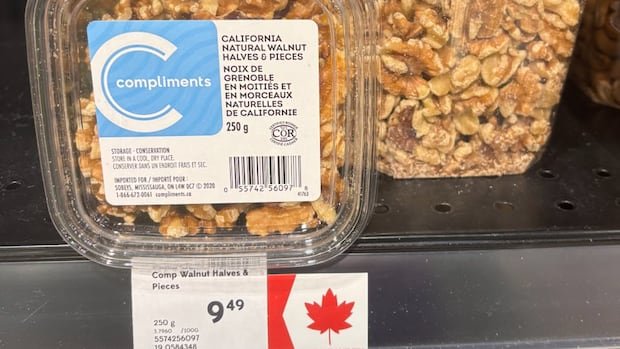

More than 12 months following the initiation of the Buy Canadian movement, major grocery chains Loblaw and Sobeys are under increased scrutiny for “maple washing,” a tactic involving the promotion of imported products as domestically produced. The Canadian Food Inspection Agency (CFIA) levied $10,000 fines each on two Loblaw-owned stores in January for maple washing. Subsequently, two other Loblaw-owned stores received formal warnings for the same offense a month later.
Sobeys has also come under CFIA’s scrutiny, with multiple complaints received by the federal food regulator regarding the grocer’s maple washing practices. An investigation into Sobeys’ advertising practices conducted by the CFIA has been concluded, resulting in no fines due to corrective actions taken by the grocer. Notably, Sobeys has seemingly phased out the red maple leaf symbol introduced last year to highlight Canadian products in its stores.
Consumer advocate Jay Jackson suggests that Sobeys’ decision to remove the symbol may have been influenced by the ongoing CFIA investigation. Jackson emphasizes the public’s growing frustration with misrepresentation in product labeling, particularly concerning claims of products being made in Canada.
Despite the rising cases of maple washing, fines for such violations have been uncommon. Since the beginning of 2025, the CFIA has identified 127 instances where retailers falsely promoted imported goods as Canadian, yet only two fines have been issued to Loblaw stores.
Concerned consumer Steve Palmer has lodged multiple complaints with the CFIA about maple washing at Loblaw and Sobeys-owned stores in southwest Nova Scotia. Palmer expressed disappointment in the lack of fines for such misleading practices, citing instances where foreign products were falsely labeled as Canadian.
The CFIA emphasizes the importance of accurate and non-misleading food labeling, as stipulated by federal regulations. While fines are considered on a case-by-case basis, the agency aims to enforce compliance through various means, including education and business license suspensions.
Loblaw has apologized for the mislabeling incidents and acknowledged the challenges in ensuring accurate labeling amid fluctuating supplies. Shoppers like Palmer are advocating for stricter enforcement measures, highlighting the discrepancy in penalties between the food sector and other industries under Canadian regulations.
In response to inquiries about the lack of involvement in maple-washing cases under the Competition Act, the Competition Bureau noted that not all of its work is publicly disclosed. Canadians are encouraged to file complaints with the Competition Bureau or the CFIA in cases of misleading advertising or labeling discrepancies.