
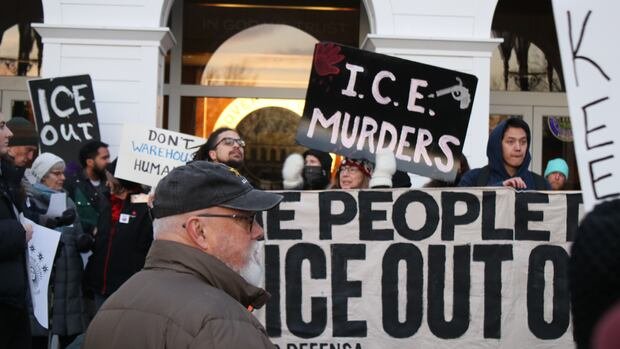

A large warehouse near an outdoor equipment store in Virginia has sparked controversy amid the U.S. government’s immigration enforcement efforts, involving a Canadian company. At a meeting in Hanover County, Virginia, hundreds of individuals expressed opposition to converting the warehouse into a facility for U.S. Immigration and Customs Enforcement (ICE).
Hanover Board of Supervisors Chair Sean Davis stated the board’s disapproval of the property’s purchase for this purpose. The U.S. Department of Homeland Security, overseeing ICE, is in the process of acquiring the site from a Vancouver-based company, Jim Pattison Group. In response, Jim Pattison Developments clarified that they were unaware of the warehouse’s intended use when agreeing to the sale.
The Department of Homeland Security plans to utilize the 43.5-acre warehouse in Ashland, Virginia, for “holding and processing” functions. This facility, located near various establishments, including a shooting range and a hotel, would encompass offices, cafeterias, and potentially additional structures like tentage and a guard shack.
Local authorities expressed concerns about the lack of communication from the federal government regarding the facility’s development plans. Despite limited power to halt the project due to federal exemptions from zoning regulations, the county officials intend to voice their opposition and highlight potential implications to the federal government.
Residents’ opinions on the facility’s establishment varied, showcasing the political division in Hanover County. While some endorsed ICE’s activities and criticized protesters, others voiced worries about immigrant safety and property value impact. The community’s resistance to the detention facility was emphasized as a stand for human dignity and relationships over paperwork.
Protests in various parts of the U.S., including fatal incidents involving federal agents, have heightened tensions surrounding immigration enforcement policies. The controversy surrounding the warehouse sale serves as a reminder for businesses, like Jim Pattison Developments, to consider the ethical implications of their transactions in sensitive contexts like immigration enforcement.