
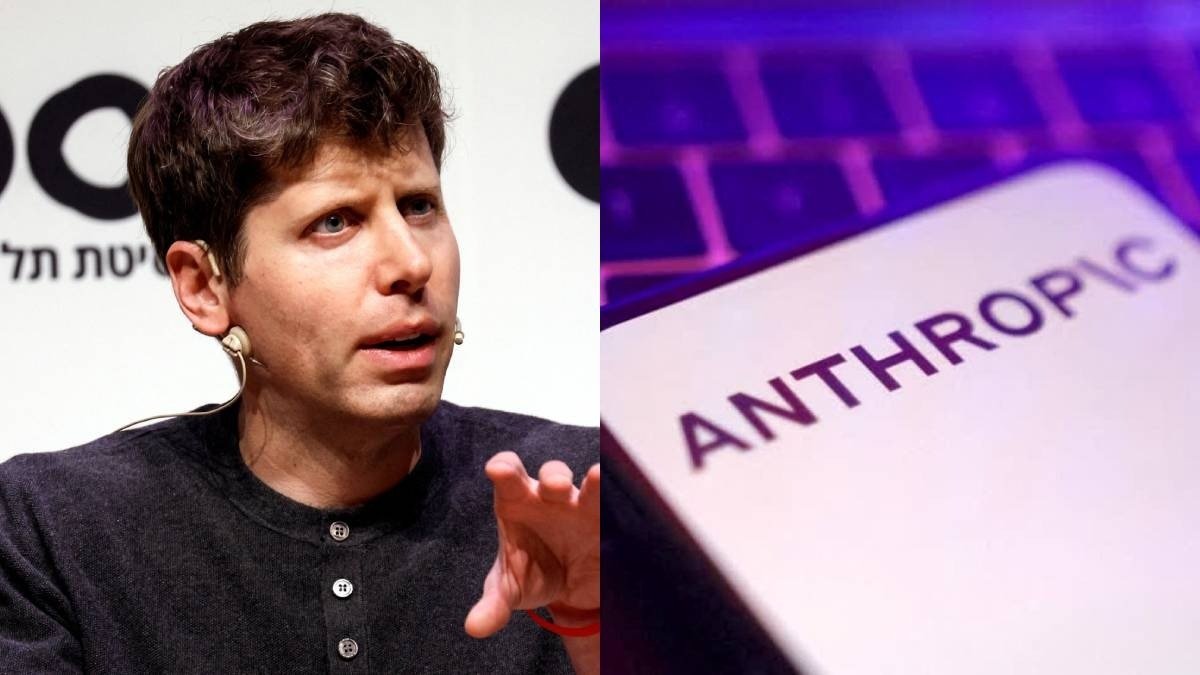

Anthropic’s latest AI model, Claude Mythos, has been touted as a potent tool with potential hacking capabilities. The company has rolled out the Mythos AI model to select software providers under Project Glasswing to aid in testing and securing their systems against cyber threats.
Critics have raised concerns about Anthropic’s claims regarding Mythos’ prowess, with OpenAI’s CEO, Sam Altman, speaking out against his competitor in a podcast called Core Memory. Altman criticized what he termed as “fear-based marketing,” suggesting it could be used to justify restricting AI access to a privileged few.
The debate over AI safety is not new, with worries about the risks posed by AI systems like GPT-3 surfacing in the past. Both OpenAI and Anthropic have employed alarming narratives around their AI technologies to build hype.
Recent reports from Bloomberg revealed unauthorized access to Claude Mythos since its launch day, with individuals gaining entry through various means, including exploiting the account of a third-party associate of Anthropic. The group accessing Mythos reportedly aims to experiment with the model rather than engage in malicious activities.
Sam Altman’s criticism of Anthropic is part of an ongoing rivalry between OpenAI and Anthropic. Altman has highlighted OpenAI’s products as more affordable and superior alternatives to Anthropic’s offerings. The tension escalated when changes in Anthropic’s pricing structure for Claude Code were disclosed, prompting Altman to emphasize the availability of Codex in free and Plus plans to encourage broader AI usage.
Altman’s comments, shared by Codex chief Thibault “Tibo” Sottiaux, were seen as a response to discussions about Anthropic’s pricing adjustments for Claude Code. The competitive dynamics intensified further when Altman addressed concerns about usage limits for Codex users, a move interpreted as a veiled jab at Anthropic following reports of Claude Code users hitting usage thresholds faster than before.