
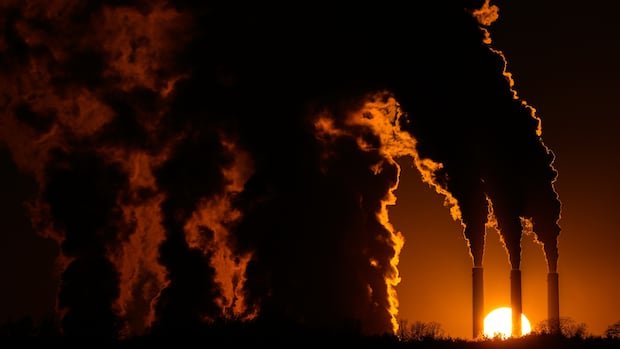

The Environmental Protection Agency (EPA) under the Trump administration has reversed a crucial decision known as the endangerment finding, which has been a cornerstone for emissions control regulations in the United States since the Obama era. This finding, established in response to a Supreme Court ruling in 2009 that recognized the harmful effects of greenhouse gases on Americans, has been instrumental in shaping how the EPA and other U.S. agencies oversee greenhouse gas emissions across various sectors.
President Donald Trump, in a White House announcement, criticized the endangerment finding as the basis for what he called the ‘green new scam’ and highlighted its adverse impact on the fossil fuel industry. EPA Administrator Lee Zeldin hailed the rescission as a significant deregulatory move in U.S. history. The decision has sparked outrage among environmental groups and officials, with California Governor Gavin Newsom condemning it for potentially exacerbating climate-related disasters.
The motivation behind this reversal lies in the Trump administration’s efforts to bolster the fossil fuel industry, aiming to increase oil and gas exports and lower energy costs for consumers. Last year, President Trump directed the EPA to review the legality of the endangerment finding, characterizing existing regulations as ideologically driven and detrimental to energy, especially fossil fuels.
Critics view this action as part of a broader strategy by Trump-aligned figures to dismantle climate policies. By revoking the endangerment finding, the administration could potentially roll back existing emissions rules, impacting areas such as power plants, methane regulations, and vehicle emission standards. This move could hinder progress in transitioning towards cleaner energy sources and technologies.
Environmental advocates, including the Natural Resources Defense Council, intend to challenge this decision legally. The potential implications extend beyond the U.S., with Canada likely to face diverging paths on vehicle standards and climate policies. While this setback poses challenges in the fight against climate change, Canadian officials are signaling a commitment to pursuing independent clean energy initiatives. Vigilance and international cooperation remain crucial in navigating the evolving landscape of climate action and sustainability.