
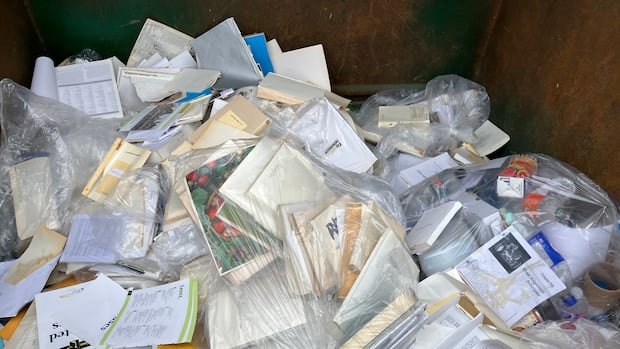


In the midst of a London high school’s controversial decision to discard thousands of books from its library, experts suggest various methods for preserving outdated and aged books.
H.B. Beal Secondary School in London removed over 10,000 books from its shelves between January and March last year, sparking a debate on censorship. Former Beal librarian Larry Farquharson, who chose not to participate in the book cull and has since retired, expressed concerns about the removal of books limiting individuals’ freedom to choose their reading material.
The Thames Valley District School Board (TVDSB) explained that the removal of items at H.B. Beal was part of a standard library collection review process, focusing on factors such as age, condition, circulation rates, and content appropriateness. The board clarified that the books were not being censored or banned but were withdrawn due to reasons like physical damage, outdated content, and the availability of more suitable resources.
Following the uproar over Beal’s library cleanup, the Ontario Ministry of Education announced a halt to further school library reviews. Education Minister Paul Calandra’s press secretary, Emma Testani, mentioned that the decision to review library collections at Beal was made before the board came under new leadership.
While the TVDSB stated that all discarded books were recycled, some librarians advocate for alternative methods to preserve old and damaged books. Deborah Meert-Williston, a special collections librarian at Western University, suggested options like donating books to academic institutions, museums, or charities to ensure their preservation and accessibility.
Anne O’Sullivan, the public service manager at the London Public Library, highlighted the ongoing practice of book weeding to make room for new additions. She emphasized the importance of maintaining historical books and artifacts in libraries, with damaged or surplus items often being recycled or sold at discounted rates.
Both Meert-Williston and O’Sullivan emphasized the significance of preserving historical books and artifacts, underscoring the value of retaining diverse perspectives and knowledge within library collections.