
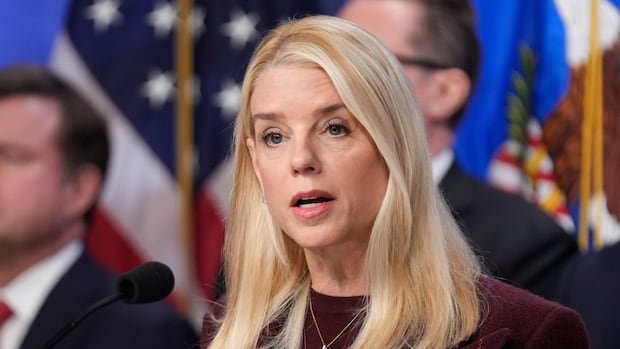

The recent deaths of Renee Good and Alex Pretti at the hands of U.S. government officials have sparked concerns about the immigration crackdown in Minneapolis. A federal judge in a local courtroom expressed skepticism towards the Trump administration’s tactics. The judge, Katherine Menendez, raised questions about the government’s motives behind the crackdown after Attorney General Pam Bondi sent a letter to Governor Tim Walz outlining conditions for scaling back deportation operations in Minnesota.
The letter demanded access to voter rolls, state Medicaid and food assistance records, and the repeal of sanctuary city policies. This move has drawn criticism from various quarters, with concerns that the government might misuse the sensitive data for political purposes. The issue of voter rolls has become a focal point of President Donald Trump’s administration, with several states facing requests for detailed voter information.
The Justice Department’s efforts to access voter data have faced pushback from some states, leading to legal battles. The decentralized nature of U.S. election administration has added complexity to the situation, with federal laws impacting the entire country. The Justice Department argues that detailed voter data is necessary to ensure compliance with election laws and maintain the integrity of the electoral process.
Criticism of Bondi’s letter has not been limited to Minnesota, with officials from other states voicing concerns about potential misuse of voter data. Arizona Secretary of State Adrian Fontes, who rejected a similar request from the federal government, criticized the tactics employed in Minnesota. Washington Governor Jay Inslee raised fears that immigration enforcement could be used as a tool for voter suppression.
Legal battles over voter data requests have emerged in several states, highlighting the ongoing tensions between state and federal authorities. Recent court rulings in Oregon, Georgia, and California have challenged the legality and scope of the Justice Department’s requests. Concerns about voter fraud and non-citizen voting have further intensified the debate, with experts cautioning against unsubstantiated claims that could undermine the democratic process.
The upcoming midterm elections are poised to be influenced by these developments, as both parties navigate the complexities of redistricting and legal challenges. The outcome of these legal battles could have far-reaching implications for the electoral landscape in the United States.
Source: CBC News