
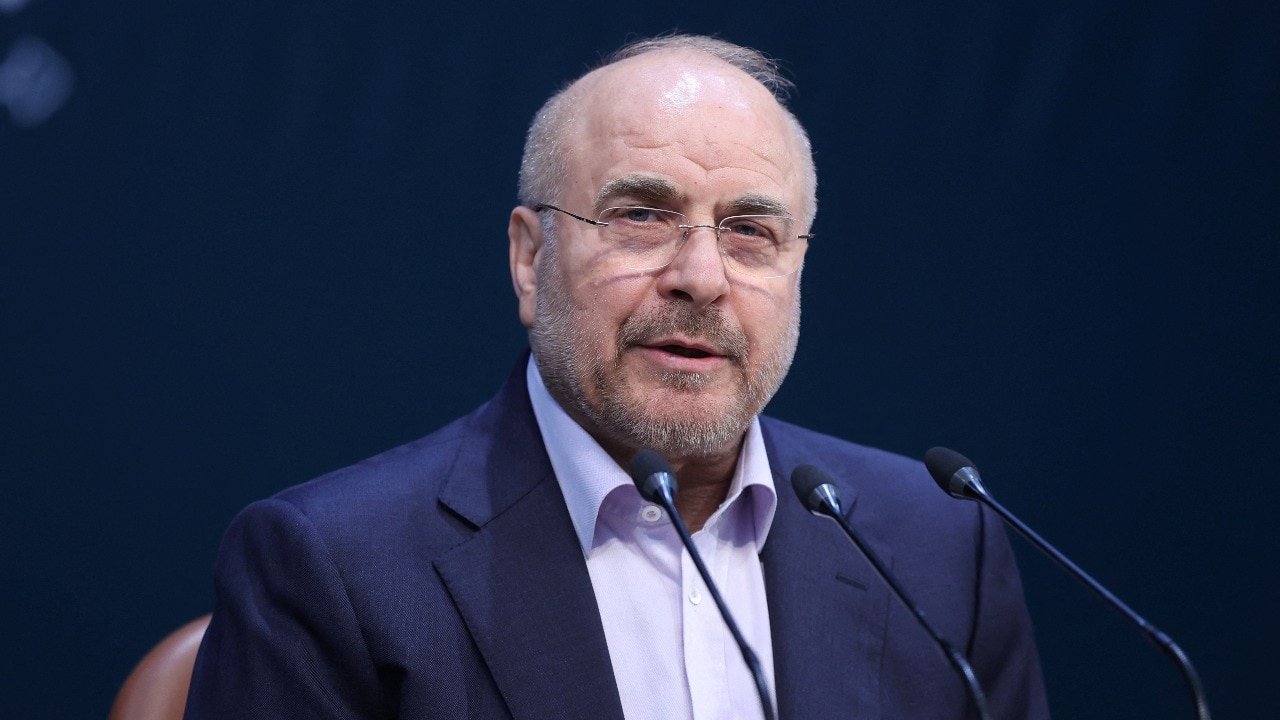

Iranian Parliament Speaker Mohammad-Bagher Ghalibaf criticized the United States following reports of American aircraft being shot down over southwestern Iran. Ghalibaf mocked the US military offensive, referring to it as a “no-strategy war” and highlighting the shift from pursuing regime change to searching for missing pilots. He sarcastically remarked on the perceived lack of progress in the US strategy, emphasizing the irony of the situation.
The incidents marked the first instance of US aircraft being downed in the conflict, occurring shortly after President Donald Trump’s declaration of victory over Iran. US officials confirmed that two American planes were shot down by Iran, with one crashing in Iran and one crew member rescued while another remained missing, prompting a search-and-rescue operation.
Meanwhile, the Pentagon acknowledged receiving notification of an aircraft being shot down in the region but did not disclose further details. Iranian state media reported another incident involving a US A-10 attack aircraft going down in the Persian Gulf after being targeted by Iranian forces. The status of the crew and the circumstances surrounding the incident remained unclear.
Subsequently, Iranian state media claimed the downing of a US F-15E Strike Eagle and a rescue helicopter by Iranian forces. Tehran announced a reward for anyone finding the missing pilot. These events unfolded against the backdrop of a broader Iranian offensive in the Middle East, maintaining pressure on regional players despite assertions of Iran’s military capabilities being diminished.
The attacks have raised concerns about Gulf energy security, particularly regarding Iran’s actions affecting global oil markets and the vital Strait of Hormuz. The disruptions have led to market instability, increased oil prices, and potential escalations in the costs of essential goods.