
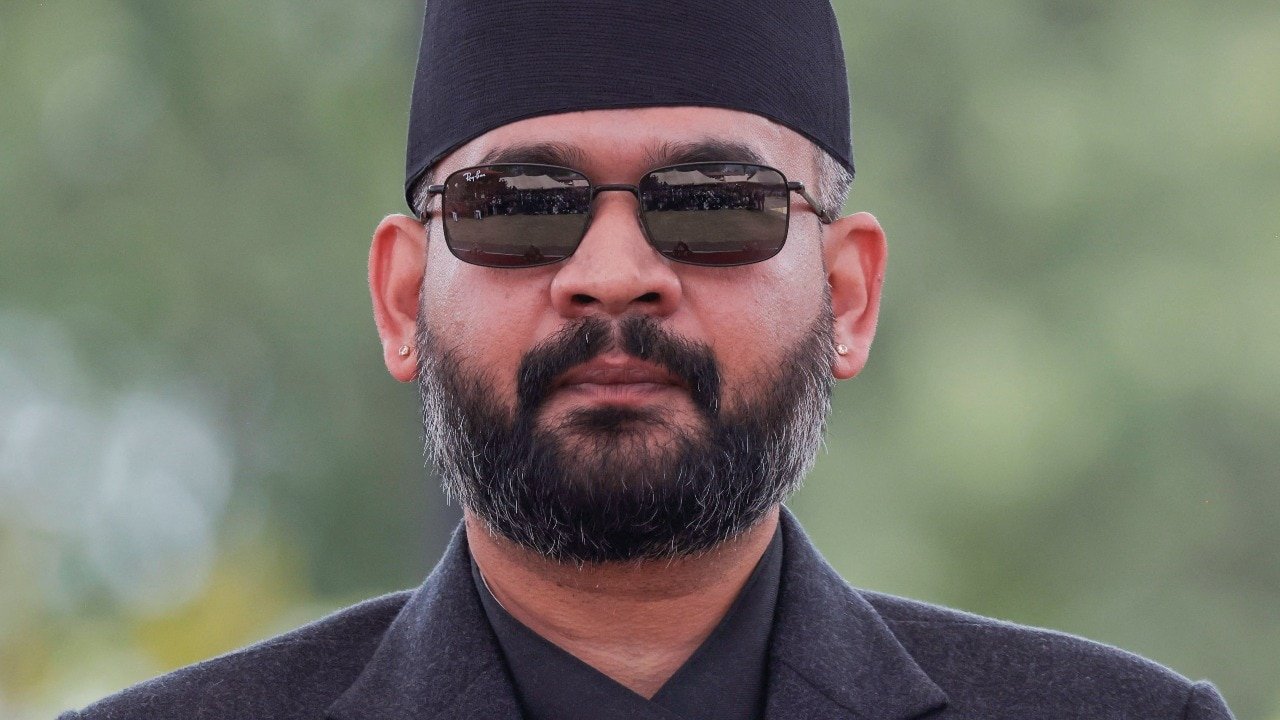


Nepal’s recently sworn-in Prime Minister, Balendra ‘Balen’ Shah, wasted no time in unveiling an ambitious 100-point plan to revamp government institutions. One of the most controversial measures in this plan is the outright prohibition of student politics.
At just 35 years old, Shah made history by becoming Nepal’s youngest Prime Minister in a long time, following his party’s landslide victory in the March 5 elections. With a strong public backing, he now faces the immense challenge of fulfilling the aspirations of Nepal’s youth after years of unstable leadership.
The decision to remove political student unions from campuses and replace them with neutral bodies like ‘Student Council’ or ‘Voice of Students’ within 90 days was one of the initial actions taken by the Balen Shah government. This move contradicts Shah’s image as a rebellious figure against the establishment, given his roots as a youth icon through music.
Critics argue that this move may limit democratic engagement and diminish a crucial platform for grooming future political leaders. On the other hand, supporters believe that disassociating education from politics will enhance governance efficiency and reduce undue influence.
In addition to these changes, the new Cabinet, comprised of young ministers, has prohibited civil servants and teachers from affiliating with political parties. The dismantling of partisan trade unions within state institutions is also part of this overhaul.
While proponents view these measures as a means to streamline governance and minimize external interference, opponents fear that such actions could jeopardize worker rights and stifle dissent within bureaucratic structures.
Moreover, the government under Shah’s leadership is implementing significant reforms in the education sector. These reforms include abolishing citizenship requirements for undergraduate admissions, enforcing timely publication of exam results, and replacing internal exams up to Grade 5 with alternative assessments.
Furthermore, institutions with foreign names have been directed to adopt original names, signaling a departure from colonial and elite associations. The government has taken swift action against political adversaries, including the arrest of former Prime Minister KP Sharma Oli and others linked to the suppression of the Gen Z protests.
As part of a gesture to solidify his reformist stance, Balen Shah has expedited the provision of jobs to families of 27 students who lost their lives during the protests. This decision, approved in the initial Cabinet meeting, is already being implemented by the Nepal Electricity Authority.
In a notable development, Shah has expressed eagerness to collaborate closely with Indian Prime Minister Narendra Modi, indicating a potential reset in the India-Nepal relationship. Despite past tensions and differences, both leaders appear inclined towards enhancing bilateral ties to achieve mutual benefits.
Shah’s bold and rapid initiatives have set a tone of decisiveness and transformation in Nepal’s political landscape, showcasing his readiness to challenge conventional norms and drive change.