
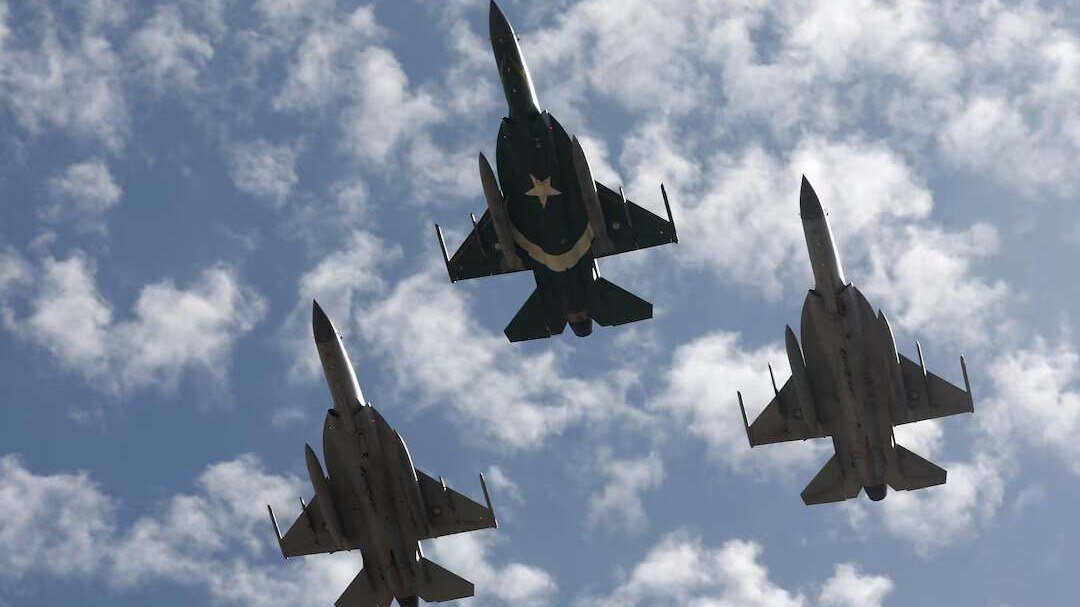

In preparation for the upcoming high-stakes US-Iran peace talks in Islamabad, Pakistan is intensifying security measures to ensure the safety of the Iranian delegation’s aircraft. This operation, described as one of the largest peacetime initiatives by the Pakistan Air Force (PAF), includes the deployment of fighter jets, C-130 transport planes, refuelling tankers, and AWACS aircraft to the Middle East.
The extensive air shield, referred to as an “Iron escort” by experts, highlights the significant pressure faced by Pakistan as it plays a pivotal role in hosting this crucial diplomatic event. Following Pakistan’s successful mediation, with the support of China, to secure a ceasefire between the US and Iran, efforts are now focused on achieving a lasting resolution to the conflict.
Recognizing the importance of the occasion, Pakistan has implemented comprehensive security measures, including the activation of air defense systems in its southern and western airspace and a thorough security plan for all foreign guests. US Vice President JD Vance, along with Iranian delegates, is expected to lead the negotiations in what could be the highest-level meeting between the two nations since the 1979 Islamic Revolution.
To safeguard the peace talks and prevent any potential disruptions, Pakistan has deployed a significant air presence over Iran and the Persian Gulf, utilizing a variety of aircraft and surveillance systems. This strategic move aims to deter any interference or hostile actions during the diplomatic proceedings amidst escalating tensions in the region.
Flight tracking data reveals the presence of Pakistani fighter jets near Bandar Abbas, alongside refuelling tankers and support aircraft, indicating a robust air cover extending from Pakistan to the Persian Gulf. Additionally, Pakistan’s aircraft have been observed in the airspace of neighboring countries, illustrating a coordinated effort with regional allies.
The current deployment signifies a proactive approach by Pakistan to ensure the success of the talks and maintain stability in the region. As the international community closely monitors the outcome of these negotiations, the significance of reaching a peaceful resolution is paramount for the future of the Middle East. However, uncertainties persist regarding the participation of Lebanon in the ceasefire agreement, raising doubts about the immediate prospects of the US-Iran talks in Islamabad.
Amidst last-minute challenges and conflicting reports, the Iranian delegation’s departure to Islamabad remains uncertain. The recent developments, including the contentious issue of attacks on Lebanon, have added complexity to the situation. Nevertheless, efforts are underway to address these concerns and facilitate constructive dialogue towards a peaceful resolution.