
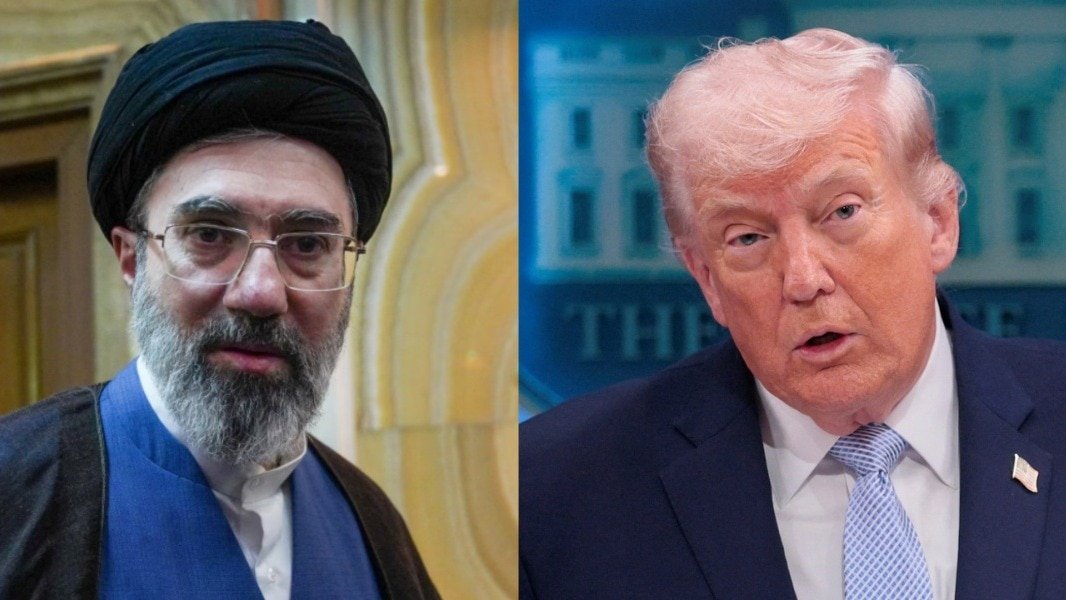

Amid escalating pressure from US President Donald Trump on Iran to reach a ceasefire agreement, Tehran has stated that diplomatic channels for talks with Washington are still open, as reported by Tehran Times. Earlier reports had indicated that Iran had shut down dialogue with the US following Trump’s warning that failure to secure a ceasefire deal by the deadline would lead to dire consequences.
Trump has been urging Iran to agree to terms that include reopening the Strait of Hormuz, which has been closed, impacting global shipping and oil supplies since the conflict began on February 28 and has extended into its sixth week without resolution.
Setting a deadline for Iran, Trump demanded the reopening of Gulf oil access by a specific time, warning of severe consequences if the blockade continued. In response, Iran threatened retaliation against US allies in the Gulf, emphasizing the potential consequences on their cities dependent on power and water supplies.
The situation escalated further when Trump issued a stark warning to Iran, hinting at possible nuclear actions against the country, leading to increased tensions and uncertainty.
Iran’s government spokesperson, Fatemeh Mohajerani, affirmed Iran’s resilience against threats, drawing strength from its historical legacy and spiritual roots. Emphasizing national security as a top priority, Mohajerani assured that all matters were being handled with utmost care and vigilance.
In response to Trump’s warnings, Iran issued its own warning of severe retaliation, targeting US allies in the Gulf. Officials highlighted the potential consequences of such strikes on key cities heavily reliant on power and water supplies.
As the deadline approached, US-led strikes intensified across Iran, targeting critical infrastructure such as bridges, power plants, and oil facilities, escalating the conflict further.
HORMUZ REMAINS STICKING POINT
Iran’s proposed plan, focused on a permanent resolution rather than a temporary ceasefire, outlined key points including lifting sanctions, infrastructure rebuilding, and establishing new regulatory frameworks for the Strait of Hormuz.
Trump reiterated his demands in a forceful message, warning of severe consequences if Iran did not comply with reopening the strait. Iranian officials dismissed Trump’s remarks, labeling them as desperate and erratic.
The strategic significance of the Strait of Hormuz, a vital global energy route, has been at the center of the conflict, with its closure impacting international shipping and energy supplies.
Meanwhile, Pakistan, acting as an intermediary in the negotiations between Iran and the US, continued to facilitate communication between the two parties, although the US position remained unchanged.
Iran’s military issued warnings of targeting US tech firms in response to any attack on its infrastructure, signaling a potential escalation beyond military targets into economic and technological domains.
<div class="authors