
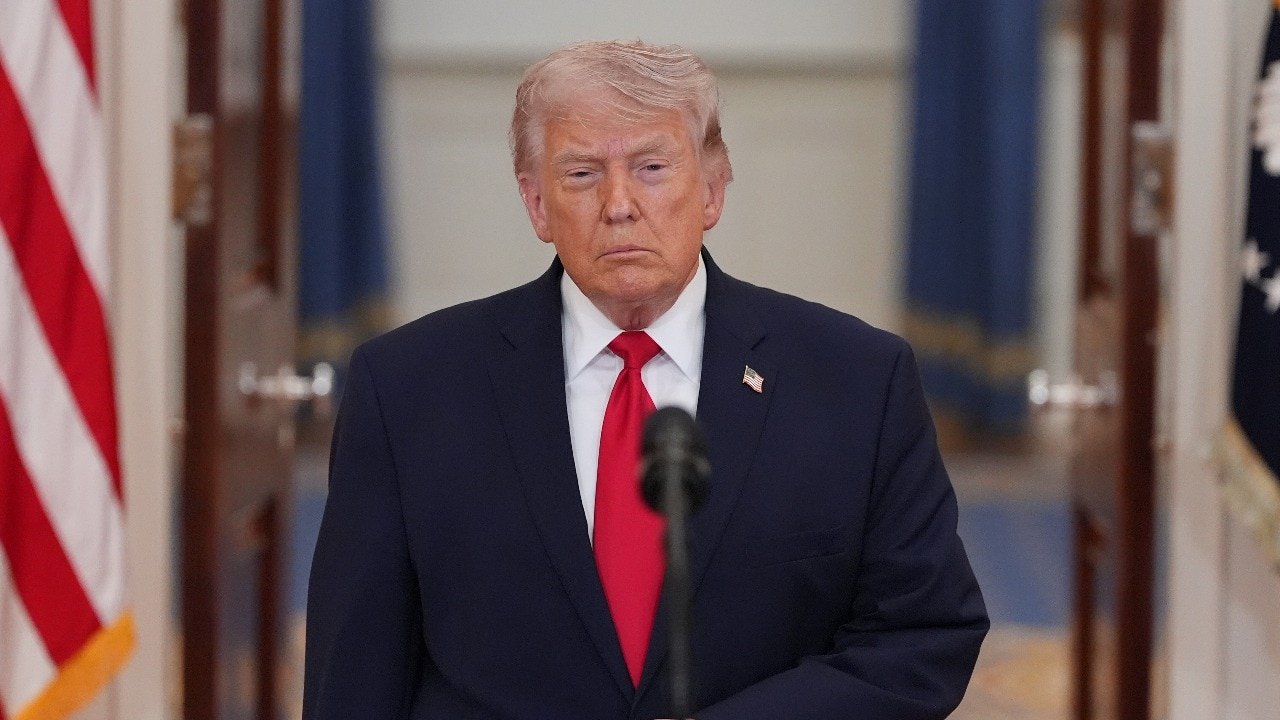


President Donald Trump passionately defended the ongoing month-long war by stating that US forces are close to achieving their “core strategic objectives” in Iran. In his recent national address following the escalation of conflict that led to surging oil prices, Trump assured Americans that the repercussions are temporary and encouraged them to view the situation as an “investment.”
To provide context, Trump compared the duration of past American involvements in wars to emphasize that the current military operation in Iran, expected to conclude within six weeks, should not raise concerns. He highlighted that the US has significantly weakened Iran’s military capabilities, rendering the Islamic republic less of a threat.
Despite Trump’s efforts to alleviate public apprehension and boost approval ratings amidst discontent from various quarters, including his staunch supporter base, skepticism prevails. The President’s wavering statements since the war’s initiation and the simultaneous deployment of additional US troops to the Middle East hint at potential escalation despite purported ceasefire negotiations.
In diplomatic efforts, the US has reportedly presented a 15-point proposal seeking to address issues like reopening the Strait of Hormuz and curbing Iran’s nuclear program. Although Trump hinted at ongoing backchannel discussions, Tehran denied direct talks with Washington, asserting its own terms, including sovereignty over the strait.
Iran’s Foreign Minister Abbas Araghchi dismissed trust in US intentions for negotiations, cautioning against further military actions. He warned of dire consequences if the US initiates a ground invasion, emphasizing Iran’s readiness to counter such moves.