
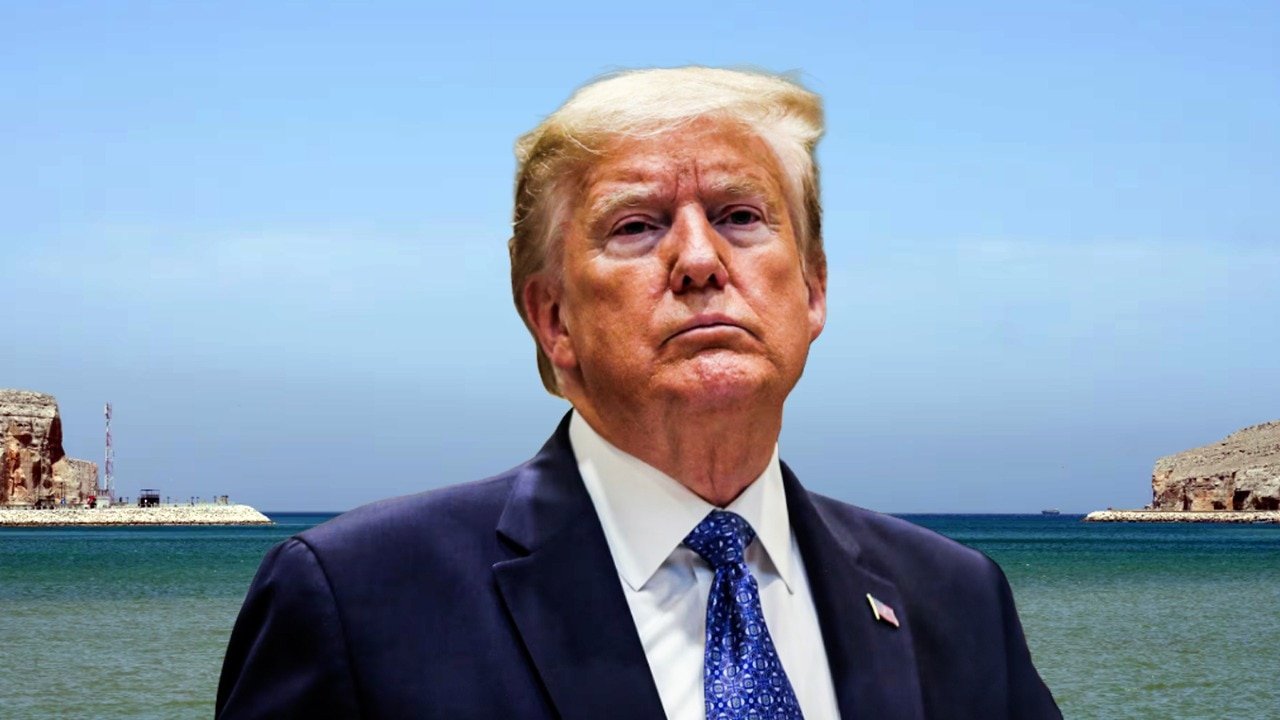

US President Donald Trump seems to be repeating past mistakes regarding economic warfare. Within the last year, he faced challenges with China leveraging its control over rare earth minerals and Iran using the Strait of Hormuz for economic pressure.
Following failed ceasefire talks with Iran, Trump has now threatened to implement a naval blockade as an economic warfare tactic. Through a post on Truth Social, he announced plans to block ships passing through the Strait of Hormuz, targeting vessels paying “illegal tolls.” Subsequently, the US military confirmed the blockade would commence at a specific time.
This move is believed to target vessels using the Chinese yuan to transit the Gulf chokepoint, challenging the established petrodollar system and evading US sanctions. By taking this action, the US has once again positioned itself against China and Iran, both adept at responding to American economic pressures.
Trump’s shifting strategies, including lifting sanctions on Iranian oil to stabilize global energy markets, now contrast with the decision to enforce a naval blockade. This move, especially affecting vessels carrying sanctioned Iranian oil, raises questions about US dominance in economic warfare tools.
The evolving global economic landscape, marked by disrupted economic integration, geopolitical tensions, and concerns about supply chain vulnerabilities, is pushing major economies like the US, India, China, and Europe towards enhancing domestic production for economic security.
Experts highlight that economic leverage, exemplified by historical events like the 1973 Arab oil embargo, now plays a more significant role in global trade due to the increased share of trade in global GDP. Trump’s skepticism towards globalization and efforts to reduce reliance on countries like China signify a shift towards strategic economic policies.
Despite imposing sanctions and export controls during his presidency, the Trump administration faced challenges when China restricted rare earth exports and disruptions in the Strait of Hormuz impacted global oil markets. The need for the US to adapt to a changing economic landscape where previous strategies may be less effective is becoming evident.