
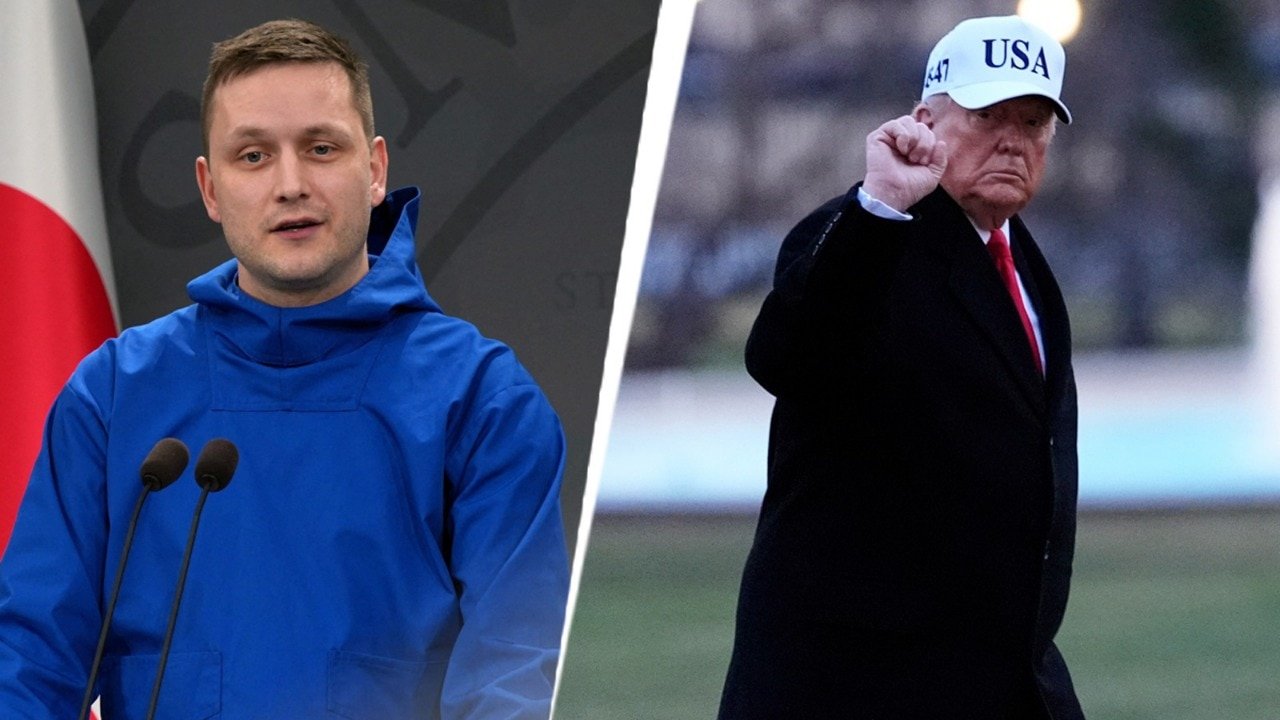

In the aftermath of the Iran conflict, tensions between Washington and Nato were laid bare, with US President Donald Trump rekindling his interest in Greenland and expressing frustration towards European allies. Trump criticized Nato’s reliability in a recent post on Truth Social, reiterating his focus on Greenland.
Greenland’s Prime Minister Jens-Frederik Nielsen swiftly responded, rejecting Trump’s derogatory remarks about Greenland and emphasizing the nation’s pride and dedication to global collaboration. Nielsen highlighted the importance of upholding the post-World War Two world order, emphasizing the need for unity among allies to safeguard international law.
Trump’s comments, which targeted Nato’s dependability and his persistent desire for Greenland, coincided with his criticism of Nato allies for their lack of full support in the Iran conflict. He hinted at the possibility of the US withdrawing from the alliance due to the perceived lack of solidarity.
The discord within Nato deepened as some European members declined to endorse the US-Israeli military actions in Iran, leading to disputes over access to airspace and naval cooperation, particularly concerning the security of the Strait of Hormuz. Nato Secretary General Mark Rutte acknowledged the strains within the alliance, acknowledging Trump’s disappointment with various Nato members.
Meanwhile, amid efforts to uphold a fragile two-week ceasefire between the US and Iran, tensions escalated as Iran’s parliamentary speaker Mohammad Bagher Ghalibaf accused Washington of violating the agreement shortly after its announcement. The delicate ceasefire situation remains precarious, with diplomatic tensions continuing to simmer.
The developments underscore the complexities of international relations and the challenges faced in maintaining alliances amidst geopolitical uncertainties and conflicting interests.