

An exclusive report by The New York Times on April 8 reveals that President Donald Trump based his decision to strike Iran on flawed intelligence and inaccurate evaluations. Israeli Prime Minister Benjamin Netanyahu’s presentations outlined plans for a joint US-Israel mission to destabilize Iran, leading to Trump’s authorization of airstrikes on February 28. The ensuing 40-day air campaign resulted in the death of Iranian Supreme Leader Ayatollah Ali Khamenei and significant damage to Iran’s military assets.
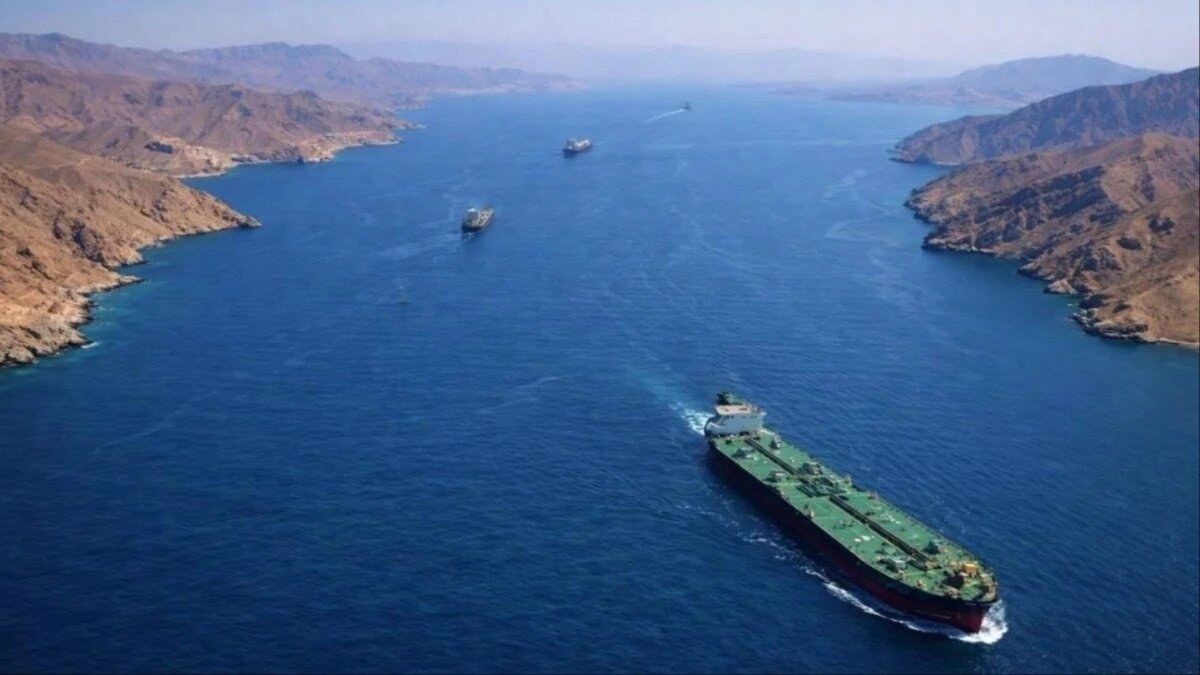
Despite extensive bombings targeting 13,000 Iranian sites, the conflict remains unresolved. Iran retaliated by blocking the vital Strait of Hormuz, a critical passage for global oil and gas shipments. Even after a tentative ceasefire on April 8, Iran redirected maritime traffic closer to its territorial waters, affecting international energy supply routes.
The stark disparities in military capabilities are evident as the US, boasting 11 carrier strike groups and advanced submarines, struggles to coerce Iran, a country without a navy, to reopen a short maritime stretch. Iran’s unconventional warfare tactics utilizing drones and ballistic missiles have depleted US interceptor missile reserves, costing an estimated $50 billion in ammunition expenses.
Drawing parallels to past conflicts, the Iran War of 2026 mirrors the flawed intelligence that led to the Iraq War in 2003. The US intervention in Iraq, based on false claims of weapons of mass destruction, resulted in a prolonged and costly counterinsurgency. Trump himself acknowledged the repercussions of the Iraq War in a 2004 interview.
Following the US withdrawal from Iraq, Iran capitalized on the power vacuum, expanding its influence across a Shia-dominated region from Syria to Yemen. By fortifying its missile capabilities and strategic alliances, Iran secured control over key maritime chokepoints, including the Strait of Hormuz, impacting global trade routes and energy supplies.
Efforts to undermine the Iranian regime through airstrikes backfired as Iran swiftly implemented contingency measures, including mining the strait. Negotiations in Islamabad highlighted Iran’s insistence on retaining control over the waterway, potentially transforming it into a lucrative revenue source through toll charges on oil shipments.
The strategic control of the Strait of Hormuz represents a significant achievement for Iran in reshaping regional dynamics. The businessman-turned-President’s legacy in the Middle East may be defined by Iran’s newfound dominance over a critical maritime passage and its economic implications.
The situation underscores a shift in power dynamics, with Iran leveraging control of the strait to potentially surpass traditional oil export revenues. Iranian economists view this development as a strategic advantage that could reshape global economic dynamics in the years ahead.