
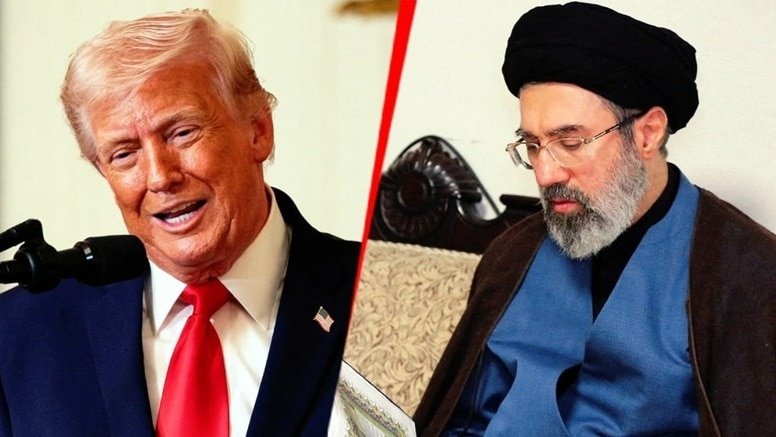

The United States has reportedly agreed to release Iranian frozen assets held in various countries, including Qatar, in a move that could signify progress in diplomatic negotiations, as per sources cited by Reuters. However, a US official has refuted this assertion, highlighting the uncertainty surrounding the situation. This development gains significance amidst the backdrop of ongoing US-Iran ceasefire discussions in Pakistan.
As per the Reuters report, a senior Iranian source mentioned that Washington had consented to unfreeze the funds, indicating a level of seriousness in the talks happening in Islamabad. The source emphasized that this action is connected to ensuring safe passage through the vital Strait of Hormuz, a crucial route for global oil transportation.
Another Iranian source suggested that the US had agreed to release around USD 6 billion from Qatari accounts, funds that were initially frozen in 2018 following the reimplementation of US sanctions against Iran, leading to longstanding disagreements between the two nations.
Despite these assertions, there has been no official confirmation from the US administration. In fact, a US official explicitly denied the claim of agreeing to unfreeze Iranian assets, while Qatar’s Foreign Ministry has not responded immediately.
The reported funds originate from Iranian oil revenues previously held in South Korean banks and later transferred to Qatar in 2023 during a US-Iran prisoner exchange facilitated by Doha. This exchange involved the release of five detained US citizens in Iran in exchange for the unfreezing of funds and the release of five Iranians held in the US.
Although US officials had stipulated that the funds would be strictly used for humanitarian purposes under Treasury oversight, they were frozen again following the attacks on Israel by Hamas, an Iran-supported group, in October 2023, with US officials stating that Iran’s access to the funds would be restricted for the foreseeable future.
The conflicting reports emerge amidst critical regional diplomatic engagements. US President JD Vance is currently in Islamabad for ceasefire discussions with Iranian officials, aiming to reduce tensions and seek de-escalation in the Middle East conflict. However, uncertainties loom over the talks, with Iranian Foreign Minister Seyed Abbas Araghchi expressing deep distrust towards the US due to alleged breaches and betrayals of diplomacy.
If the release of assets is confirmed, it could serve as a significant confidence-building gesture between Washington and Tehran. Nonetheless, the US denial indicates that negotiations are still fluid, with crucial specifics awaiting finalization or public acknowledgement. The situation remains dynamic, with diplomatic endeavors escalating amid broader geopolitical and economic interests linked to regional stability.