
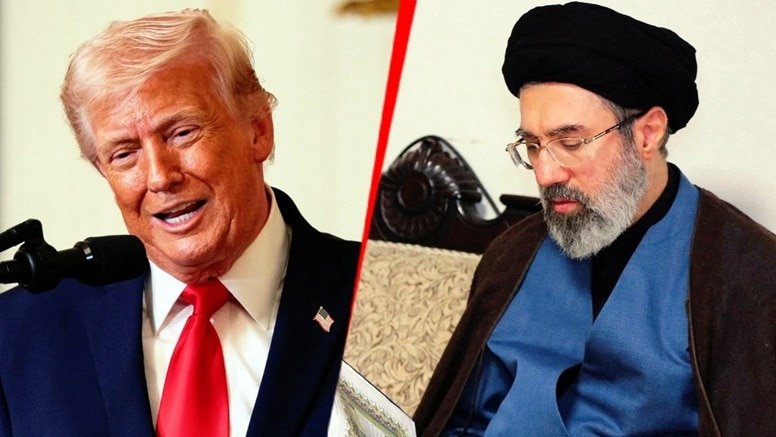

Amid escalating tensions in the Middle East, the United States, Iran, and regional actors are racing to reach a consensus on a potential 45-day ceasefire to prevent further conflict. Insider sources revealed to Axios that negotiations are ongoing, but time is running out for a breakthrough.
Officials involved in the talks expressed pessimism about the likelihood of reaching even a limited agreement in the next 48 hours. The stakes are high, with fears that a failure to de-escalate could lead to significant military strikes on Iranian civilian infrastructure and retaliation against critical energy and water facilities in Gulf nations.
Iran has received a proposal from Pakistan, according to a senior Iranian official speaking to Reuters. However, Iran insisted on not reopening the Strait of Hormuz without a permanent ceasefire deal, rejecting external pressures to rush into a decision.
The situation was exacerbated by United States President Donald Trump’s ultimatums to Tehran. Despite extending the deadline by 20 hours, Trump warned of severe consequences if Iran did not comply, including military actions targeting key facilities.
Mediation efforts involving Pakistan, Egypt, and Turkey, as well as direct communications between US envoy Steve Witkoff and Iranian Foreign Minister Abbas Araghchi, are underway. Washington has put forward several proposals, but Tehran has yet to accept any.
The proposed ceasefire involves a two-stage plan: an initial 45-day truce followed by broader negotiations to end hostilities permanently. However, unresolved issues include the full reopening of the Strait of Hormuz and the handling of Iran’s enriched uranium stockpile.
Iranian officials expressed skepticism and reluctance to concede their leverage over the Strait of Hormuz and uranium resources in exchange for what they view as a short-term solution. The risks of failure are significant, with potential repercussions for regional stability and infrastructure.
Despite ongoing negotiations, Iran’s public stance remains firm, emphasizing that the situation in the Strait of Hormuz will not revert to pre-war conditions. Iran’s Revolutionary Guards naval wing warned the US and Israel of lasting consequences.
Recent reports indicated Iran’s refusal to meet with US officials in Islamabad, deeming Washington’s proposal unacceptable. The situation remains tense, with the outcome of negotiations carrying significant implications for the region.