
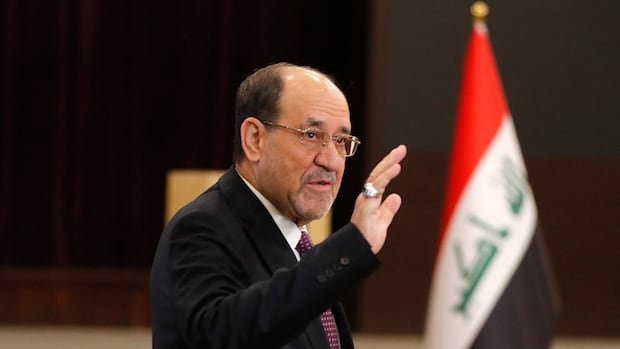

Iraq stands as a significant battleground between the United States and Iran in the Middle East, a fact often overshadowed globally. The resurgence of former Iraqi Prime Minister Nouri al-Maliki in the political arena and his bid for the prime ministerial position has drawn sharp reactions from the U.S., highlighting Iraq’s delicate balancing act between the two superpowers.
President Donald Trump recently criticized al-Maliki’s candidacy, citing the turmoil and economic hardship that marked his previous tenure in office. The Co-ordination Framework, a prominent Shia bloc in Iraq’s Parliament, nominated al-Maliki, triggering Trump’s remarks on social media platform Truth Social.
Al-Maliki swiftly responded, condemning what he termed as unwarranted American intervention in Iraq’s internal affairs. The escalating tensions come amidst the U.S.’s heightened efforts to diminish Iranian influence within Iraq.
The Co-ordination Framework lauded al-Maliki’s political and administrative expertise, endorsing his candidacy for prime minister. Renad Mansour of the UK’s Chatham House noted al-Maliki’s enduring ties with Iran, emphasizing his role in legitimizing the Popular Mobilization Forces during his previous term as prime minister.
Washington’s demands now extend beyond Iran’s nuclear program to include the cessation of support for proxy militias across the Middle East. The growing influence of these militias, some of whom are actively involved in Iraqi politics, adds complexity to the region’s geopolitical dynamics.
Kurdish politician Hoshyar Zebari highlighted the U.S.’s stance on dealing with Iraqi governments that include militia members sanctioned by the State Department. The presence of such militias and their ties to Iran raise concerns about Iraq being dragged into potential conflicts between the U.S. and Iran.
Al-Maliki’s candidacy faces internal opposition within Iraq, with critics pointing to his controversial past marked by corruption allegations and sectarian tensions. The search for alternatives within the Co-ordination Framework underscores the divisions and challenges in Iraq’s political landscape.
As Iraq navigates the complexities of government formation and struggles to overcome its war-torn history, the specter of external powers influencing its fate looms large. The desire for genuine leadership free from external manipulation resonates among many Iraqis, who yearn for stability and progress in a region fraught with geopolitical tensions.
The intricacies of power dynamics, historical grievances, and external pressures converge in Iraq’s political arena, shaping its future trajectory amidst competing interests and visions for the country’s development.