
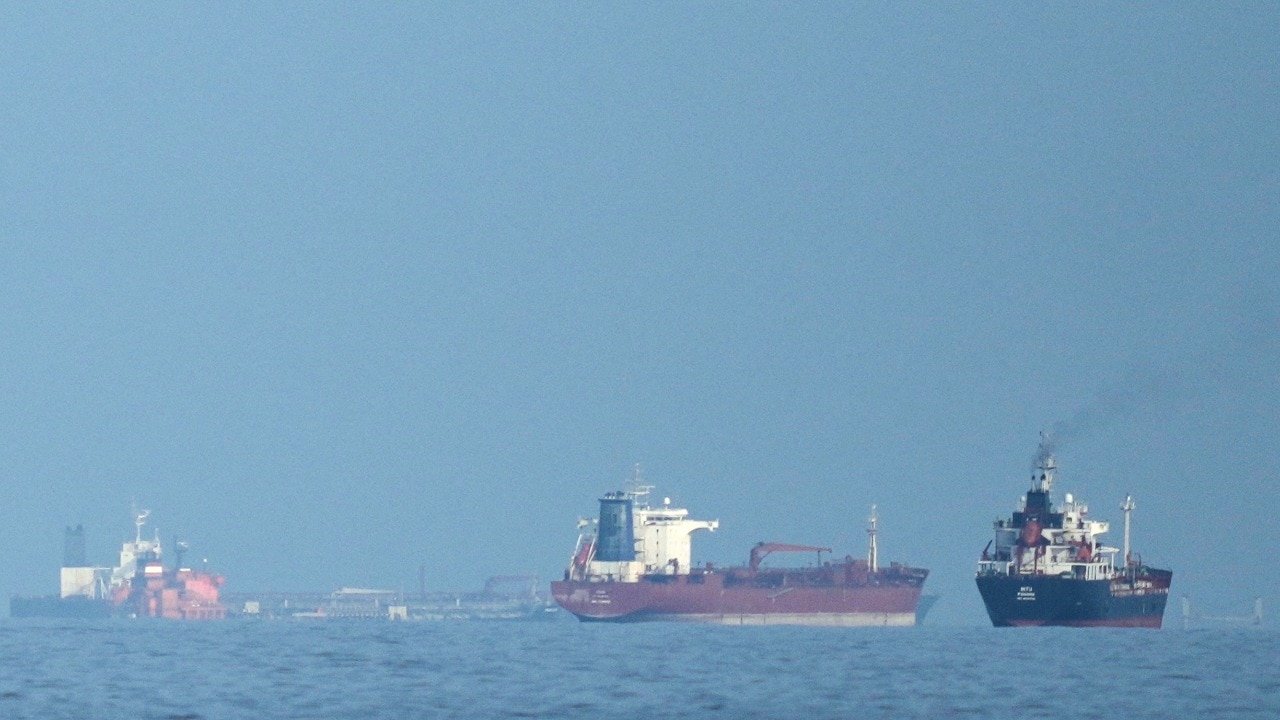

US President Donald Trump declared on Sunday that the American Navy would initiate a blockade of Iranian ports via the strategically crucial Strait of Hormuz. This move came after unsuccessful high-level discussions with Iran. The blockade, enforced by the US Central Command (Centcom), was set to commence targeting vessels entering or exiting Iranian ports. Centcom emphasized that the blockade would apply to all nations using Iranian ports and coastal regions in the Arabian Gulf and Gulf of Oman.
While the US military did not fully close the Strait, it clarified that neutral passage through the area to non-Iranian destinations would not be obstructed. Humanitarian shipments, including essential supplies, would be allowed with inspections. Nonetheless, neutral ships might undergo visit and search procedures for contraband, while unauthorized vessels in the blockaded zone could face interception, diversion, and capture.
President Trump issued strong warnings through social media, threatening consequences for vessels paying “illegal tolls” to Iran. He authorized the Navy to interdict such vessels, affirming a zero-tolerance policy towards Iranian forces attacking US or commercial ships. Additionally, the US forces were tasked with clearing alleged naval mines deployed by Iran in the Strait, a critical global oil transit point.
In response, Iran’s Islamic Revolutionary Guard Corps cautioned against foreign military presence near the Strait, considering it a breach of the fragile ceasefire. Iranian officials rejected Trump’s threats, asserting Iran’s readiness to respond with logic rather than coercion. They also highlighted the potential economic ramifications of the blockade, warning of increased fuel prices globally, including in the US.
Amid escalating tensions, talks between the US and Iran collapsed in Islamabad after marathon negotiations. Sticking points included Iran’s stance on nuclear activities, regional support, and security guarantees. This breakdown led to a surge in oil prices, exceeding USD 100 per barrel, and heightened market volatility. The ceasefire’s future remains uncertain, with diplomatic efforts ongoing to prevent further escalation in the Gulf region.
The situation underscores the delicate balance between conflict and commerce in the region, with global powers urging restraint and mediation. Despite efforts towards de-escalation, unresolved core disagreements raise concerns about a broader confrontation in the Gulf.