
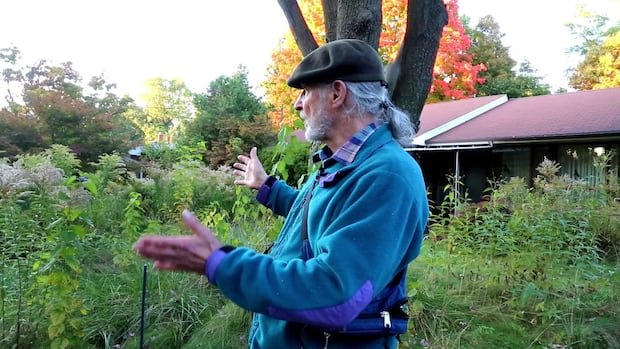


A resident from Mississauga has emerged victorious in a legal battle against the city regarding a weed control bylaw that restricts the growth of certain plants and grass above a specific height. Wolf Ruck, the homeowner at the center of the dispute, emphasized his commitment to preserving nature during an interview with CBC Radio’s Metro Morning.
Ruck successfully challenged a section of the bylaw that prohibits the growth of grass exceeding 20 centimeters and specific plants. Although Ruck sought $2.46 million in damages and other remedies, the court did not award him any monetary compensation. However, Justice M.T. Doi noted in the ruling that certain provisions of the bylaw impinge on Ruck’s freedom of expression rights.
The City of Mississauga is currently reviewing the court’s decision and contemplating its next steps, as confirmed by Irene McCutcheon, a city spokesperson. The legal dispute stemmed from complaints received by the city after Ruck ceased mowing his lawn in 2021, triggering a series of enforcement actions by municipal officers.
Ruck, a longtime resident of Orchard Heights, allowed parts of his lawn to grow unattended, leading to multiple complaints from neighbors. The city undertook measures to enforce the bylaw, including cutting the grass and removing nuisance weeds from Ruck’s property at his expense.
Despite the city’s assertion that the bylaw promotes a healthy and safe environment, the court ruling highlighted a lack of evidence demonstrating the necessity of restricting grass height to 20 cm or eradicating certain weeds for public health and ecological diversity in urban areas.
Ruck expressed disappointment over the strain in his relationship with neighbors but remains hopeful that the court’s decision will establish a precedent safeguarding freedom of expression. John Mather, representing the Canadian Constitution Foundation, stated that the court’s ruling renders Mississauga’s bylaw unenforceable until supported by substantiated evidence justifying limitations on land use.
Mather emphasized the importance of municipalities reevaluating their weed control bylaws in light of the court decision to strike a balance between addressing potential risks such as fire hazards and preserving individuals’ freedom of expression rights.