
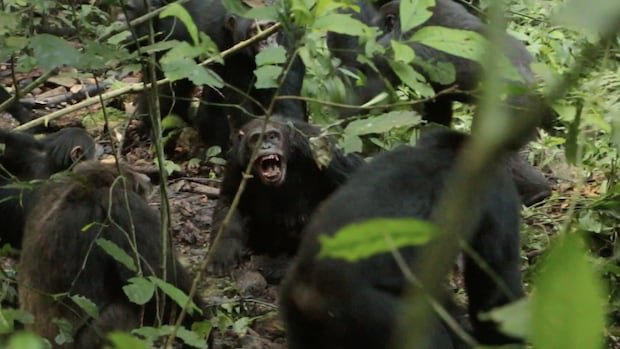

A recent study delves into a disturbing conflict that erupted among a troop of almost 200 chimpanzees in Uganda, disrupting their previously peaceful coexistence. Lead researcher Aaron Sandel, a primatologist at the University of Texas at Austin, vividly recalls the moment he witnessed the brutal killing of a chimp named Erroll, whom he had known since Erroll was a young chimp.
The researchers have been monitoring this chimpanzee group in Ngogo, located in Uganda’s Kibale National Park, since 1995, providing valuable insights into their behavior. The Ngogo chimps, known for their cooperative nature, had successfully expanded their territory through a combination of teamwork, defense strategies, and occasional aggressive encounters with other groups.
However, in June 2015, tensions arose between the western and central neighborhoods within the Ngogo group, leading to a significant rift. This initial incident escalated over the years, culminating in the violent deaths of multiple chimps, including infants, from the central group at the hands of the western group.
Primatologist Iulia Bădescu noted that while chimpanzees are typically territorial and aggressive towards outsiders, the unique aspect of this conflict was the breakdown of close relationships among the chimps, some of whom were related. The gradual transformation from companionship to enmity and lethal behavior was particularly shocking to researchers.
The reasons behind this aggression remain complex and multifaceted. The group’s size, internal dynamics, competition for resources, and changes in leadership hierarchy likely contributed to the escalating conflict. Sandel highlighted the impact of sudden deaths of key individuals and power struggles within the group, weakening social bonds and triggering heightened tensions.
Despite the distressing nature of this chimpanzee conflict, researchers like John Mitani and Sandel see potential lessons for human behavior. By emphasizing the importance of relationships, reconciliation, and conflict resolution, they suggest that understanding the underlying causes of disputes could lead to more effective peace-building strategies. Mitani also expressed optimism about human pro-social tendencies and the capacity for peaceful coexistence, contrasting them with the ongoing violence observed among the chimpanzees.
As the study continues to unfold, researchers grapple with the complexities of primate behavior and the ongoing violence within the chimpanzee community, highlighting the challenges and emotional toll of observing such conflicts firsthand.