
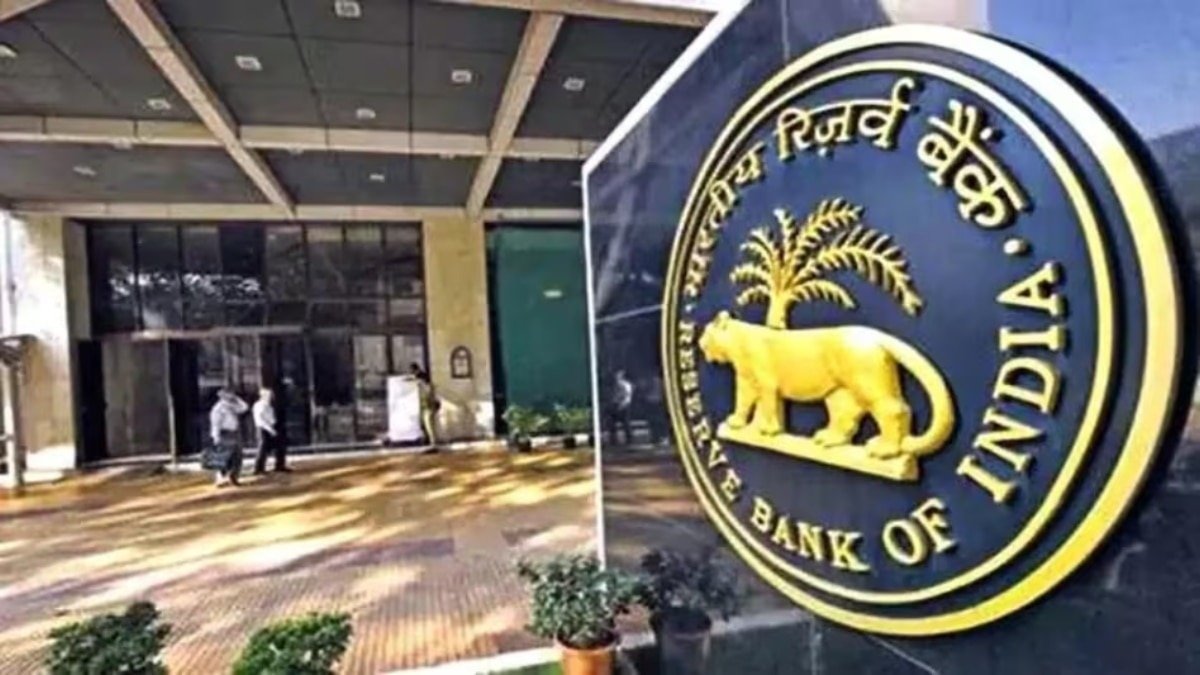

A little over a month ago, the Reserve Bank of India (RBI) had a relatively easy task with its policy decisions. At that time, India’s economy was robust, inflation was low, and the overall economic outlook appeared stable and foreseeable. The central bank could maintain its course without much deliberation.
However, the situation has swiftly changed due to the impact of the conflict in West Asia on oil prices. What was once a stable environment now seems uncertain and fraught with risks. The recent developments have added layers of complexity to what was previously a straightforward policy landscape.
“The macroeconomic fundamentals of India appeared strong with robust growth and controlled inflation until the conflict outbreak in March,” stated RBI Governor Sanjay Malhotra, highlighting the rapid shift in circumstances.
The West Asia conflict has rapidly disrupted the economic backdrop, leading to volatile oil prices, strained supply chains, and unpredictable financial markets. This has transformed a seemingly routine policy decision into a delicate balancing act.
Despite the challenges, the RBI has opted to maintain interest rates and adopt a neutral stance. The central bank is closely monitoring the potential ripple effects of the oil shock on the economy, recognizing that it could extend beyond the energy sector.
The escalation in crude prices could fuel inflation, widen the current account deficit, disrupt commodity supplies, and impact output levels. This uncertainty may dampen both consumption and investment, weakening global demand, exerting pressure on exports, and tightening financial conditions.
Although the RBI has not revised its growth forecast of 6.9% for FY27 and domestic demand remains resilient, industry experts acknowledge the increased risks surrounding economic growth.
The central bank is navigating a challenging path as inflationary pressures rise due to energy costs and potential disruptions while these same factors also pose threats to economic growth. The RBI Governor emphasized the uncertain trajectory of future inflation, signaling a cautious approach to policymaking.
Given the evolving situation, the RBI is likely to maintain its current stance until there is more clarity. Market observers anticipate continued stability, supported by easing crude prices and a stabilizing rupee.
In conclusion, the RBI has shifted its focus from managing momentum to mitigating risks within a short timeframe. While growth and inflation remain relatively stable, the balance has become more precarious. The central bank remains vigilant and committed to implementing policies that prioritize the best interests of the economy amid the challenging global economic conditions triggered by the West Asia conflict.