
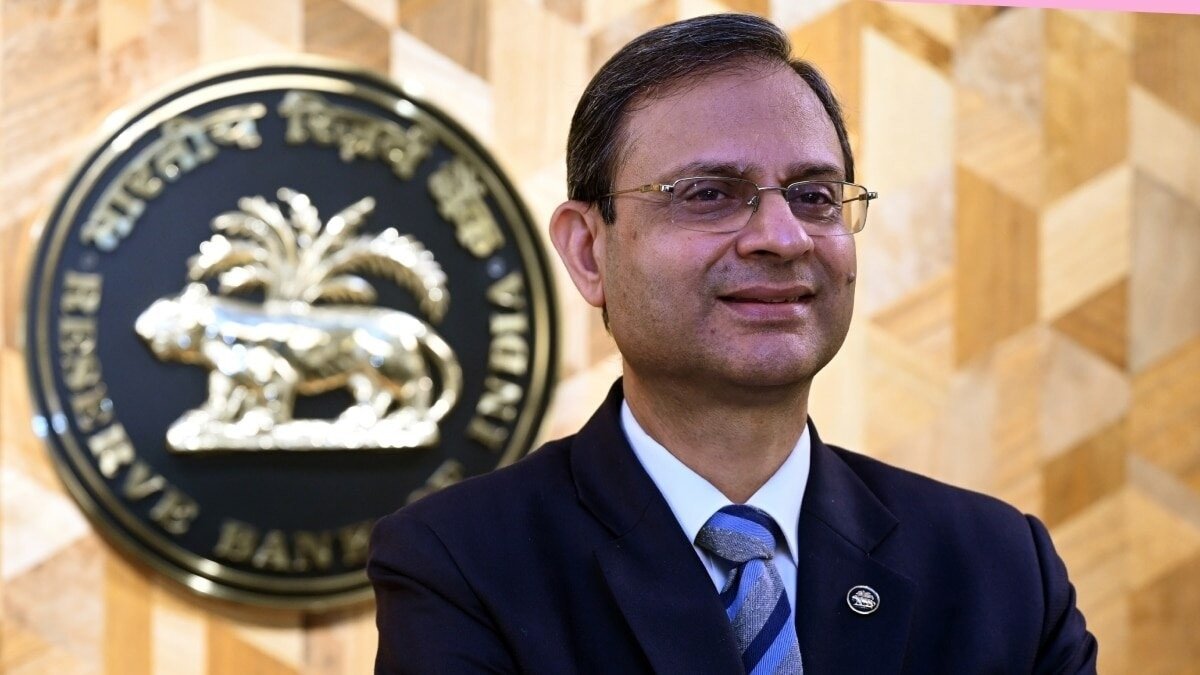

The Governor of the Reserve Bank of India, Sanjay Malhotra, has raised concerns about potential threats to India’s economic growth in the fiscal year 2026-27. He warned that disturbances in the Strait of Hormuz could have adverse effects on inflation, trade, and overall economic performance.
Despite a temporary ceasefire between the United States and Iran leading to a decline in crude oil prices and alleviating immediate concerns about supply disruptions, Malhotra emphasized the ongoing risks associated with elevated energy and commodity prices as well as disruptions in the vital shipping route.
Malhotra, following the Monetary Policy Committee (MPC) meeting, highlighted that uncertainties related to the West Asia conflict could lead to downward risks in the projected growth for the upcoming fiscal year. The RBI’s forecast for real GDP growth stands at 6.9% for FY27, indicating a solid domestic outlook but with escalating external risks.
The focal point of the RBI’s apprehension is the critical energy passage, the Strait of Hormuz, which holds the potential to significantly impact India’s import expenses and inflation rates if disrupted. The Governor pointed out that any disturbances in the Hormuz region could disrupt the availability of essential inputs across various sectors, exacerbating stress on supply chains.
The RBI cautioned that a persistent supply shock could transform into a broader demand shock if disruptions continue. While global markets have responded positively to the recent ceasefire, the RBI remains cautious, emphasizing the importance of monitoring potential flare-ups in tensions that could disrupt energy flow through the Strait of Hormuz.
Although acknowledging the mounting risks, the RBI refrains from sounding alarm bells as India’s economic fundamentals exhibit resilience. Factors such as robust consumption, improving investment demand, and a thriving services sector provide a strong foundation. The central bank also highlighted domestic strengths including a buoyant services sector, robust bank and corporate balance sheets, and favorable agricultural conditions supporting rural demand.
Amidst the optimistic business outlook and favorable indicators in manufacturing and services sectors, the RBI remains watchful of the uncertain external environment. Challenges such as disrupted shipping routes, increased logistics costs, and weakened global demand could impact exports, while high crude prices might widen the current account deficit and add to inflationary pressures.
Given the prevailing uncertainties, the MPC opted to maintain the policy repo rate unchanged with a neutral stance, stressing the need to monitor the evolving growth-inflation scenario. While India’s growth narrative remains intact, the warning from the RBI underscores the vulnerability to potential disruptions in the Strait of Hormuz, which could swiftly and profoundly impact the economy.