
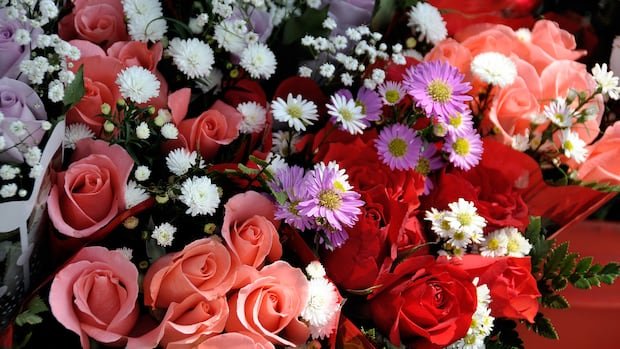

Flowers Go Beyond Beauty: The Evolutionary Power of Nature’s Architects
Mother’s Day serves as a tribute to the multifaceted role of moms, often expressed through the timeless gesture of gifting flowers. Renowned for their aesthetic appeal and captivating scents, flowers have been a timeless means of conveying emotions like love, gratitude, and joy or simply brightening someone’s day.
In 2025, a Statistics Canada report revealed that over 425 million flowers were harvested from greenhouses nationwide. Biologist David George Haskell emphasizes that while we typically admire flowers for their visual and olfactory charm, their evolutionary journey often goes unnoticed.
Flowering plants emerged around 130 million years ago, rapidly spreading worldwide and currently constituting about 90% of all plant species on Earth. Haskell highlights a pivotal innovation of flowers, consolidating male and female reproductive organs within a single bloom. This integration facilitated efficient pollination by enabling insects to transfer pollen while visiting flowers.
Flowers have evolved to enchant insects and other pollinators through vibrant petals and fragrant scents, enhancing the pollination process. Susan Dudley, a plant evolution expert at McMaster University, underscores the diverse shapes, colors, and scents of flowers as outcomes of millions of years of co-evolution with animals to optimize pollination efficiency.
Furthermore, flowers have ingeniously developed mechanisms like fruits to nourish and disperse their offspring. Fruits, mature flowers safeguarding seeds, aid in seed dispersal by enticing animals to transport seeds away. This process, essential for plant reproduction, has influenced the diet and habitat of various species, forming intricate ecological relationships.
Human interference, particularly in breeding flowers for ornamental purposes, can disrupt these intricate ecological balances. Dudley encourages a shift in perspective towards appreciating flowers for their ecological significance rather than mere visual appeal. Conscious gardening practices, such as avoiding pesticides and cultivating native plant species, can significantly benefit flowers and the ecosystem they sustain.
By fostering curiosity and connection with nature, individuals can deepen their appreciation for the transformative impact of flowers on the world. Next time you receive flowers, consider viewing them from a botanical lens, reflecting on the profound influence of flowers in reshaping our planet through evolution.
Source: [Original Article](https://www.cbc.ca/radio/sunday/flower-evolution-science-biology-plants-earth-9.7191017)