
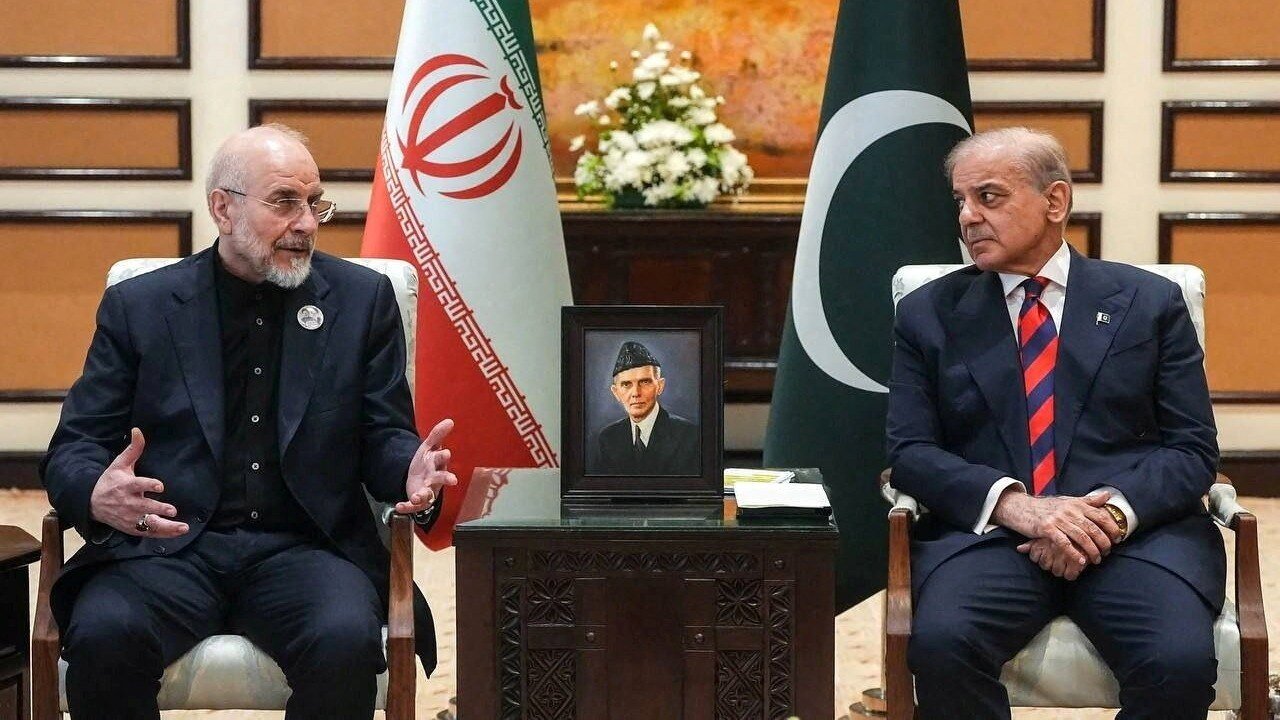

Ceasefire negotiations between the United States and Iran in Pakistan are facing challenges due to a growing lack of trust between the two nations, creating obstacles before the talks could formally begin. The US delegation, led by Vice President JD Vance and Jared Kushner, had not engaged in direct discussions with Iran even after five hours of arrival, as a three-way meeting involving Pakistan was in progress.
Iranian Foreign Minister Abbas Araghchi, expressing distrust, highlighted the complexity Iran faces in participating in the talks to end the six-week conflict. Iran had specified certain conditions that needed to be met before engaging in talks with the US and Pakistan, setting the stage for the ongoing trilateral meeting on Gulf ceasefire efforts.
One of the crucial prerequisites outlined by Iran was the halt of Israeli attacks on Lebanon and a ceasefire in the region. Tehran emphasized the importance of no strikes on Beirut, particularly its southern neighborhoods, warning that ongoing Israeli assaults could disrupt the negotiations. Additionally, Iran demanded the release of frozen Iranian assets from foreign banks, including those in Qatar, as a key condition for proceeding with the discussions.
Despite the initiation of discussions, fundamental differences in viewpoints and red lines persisted between the US and Iran, intensifying the uncertainty surrounding any potential breakthrough. The White House maintained a firm stance, indicating no flexibility on Iran’s demands, including the unfreezing of overseas assets. Amidst these negotiations, there was also a warning from the US President regarding the reinforcement of naval forces in the region if diplomatic efforts failed.
As the talks progress, the focus remains on resolving issues such as the cessation of hostilities in Lebanon, the release of frozen Iranian funds, and navigating the intricate diplomatic dynamics among the involved parties. The presence of Vice President JD Vance, known for his neutral stance on foreign military engagements, adds a unique perspective to the discussions, despite past tensions and differing stances. The ongoing naval movements in the Strait of Hormuz, provocative statements from US officials, and heightened tensions across the region further complicate the outcome of the trilateral meeting.