
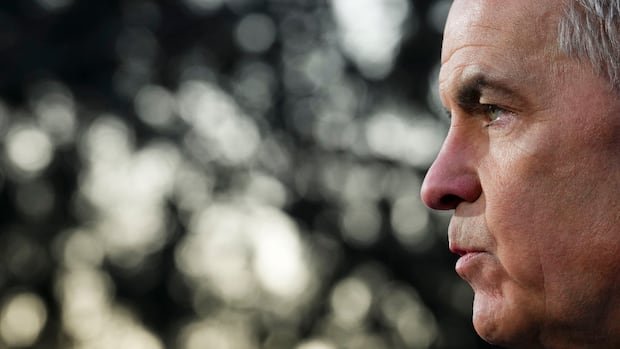

Prime Minister Mark Carney is currently in Quebec City with his cabinet to strategize for the upcoming year following his recent international engagements where he criticized the U.S. administration. Carney’s speech at the World Economic Forum highlighted the need for middle powers to unite against economic coercion tactics, particularly targeting U.S. President Donald Trump.
The closed-door cabinet meeting at the Citadelle of Quebec signifies a significant planning session before Parliament reconvenes. Marci Surkes, a former official in the Prime Minister’s Office, emphasized the gravity of the situation, noting that ministers must adapt to the current unconventional circumstances.
Recent geopolitical developments, such as the U.S. intervention in Venezuela and Greenland, have reshaped the international landscape. Carney’s address at Davos underscored the need for a new global order, urging countries like Canada to collaborate for a better future.
The cabinet agenda focuses on economic, affordability, and security matters, with discussions led by various experts and officials. Key topics include ongoing trade tensions with the U.S., the implementation of the Canada-U.S.-Mexico Agreement, and the implications of Carney’s trade deal with China.
As the House of Commons prepares to reconvene, recent political shifts, including floor crossings and vacancies, have altered the parliamentary dynamics. The upcoming session is expected to address both international challenges and domestic concerns, particularly related to affordability issues that resonate with Canadian voters.
Despite the focus on international affairs, the Liberal government must remain attentive to domestic economic challenges to maintain public support. Opposition voices, like Conservative MP Michelle Rempel Garner, are calling for concrete action and detailed plans from Carney’s administration post his impactful Davos speech.