
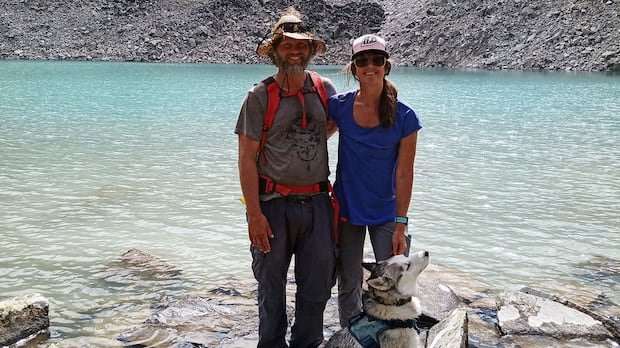

A couple residing in Radium Hot Springs, British Columbia, expressed shock after their husky, Moon, perished in a baited trap close to their residence earlier this month. Sean Boxall described the incident as a distressing ordeal and emphasized the need for awareness regarding traplines in British Columbia’s wilderness. They are urging the government to ban commercial traplines on public land, excluding Indigenous trapping rights.
Commercial trapping, governed by the Wildlife Act, involves the killing of fur-bearing animals like lynx, fox, bobcats, wolves, and mink for their pelts. The trapping incident that claimed Moon’s life was deemed legal by the B.C. Conservation Officer Service, with the trapper holding the necessary license and no legal violations identified.
Conibear traps, such as the one responsible for Moon’s death, employ a spring-loaded mechanism to swiftly capture animals for their fur. The couple’s call for reform in trapping practices has garnered attention, emphasizing the necessity of public education to prevent similar tragedies in the future.
The British Columbia Trappers Association acknowledged the heartbreaking loss of a pet and stressed the importance of educating the public on trapping methods to avert such incidents. The association highlighted the distinction between commercial trapping and traditional Indigenous trapping practices, emphasizing the cultural significance and sustainability of the latter. Commercial trapping plays a role in population management and disease control, with regulations in place to prevent over-harvesting and unintended trapping of non-target species.
Advocates for wildlife protection, like Lesley Fox from the Fur-Bearers organization, advocate for a ban on commercial trapping in public areas due to concerns about inhumane trapping practices. They call for mandatory warning signs on active commercial traps and increased safety measures around dwellings, trails, and roads. The provincial government has opened discussions for public input on proposed changes to trapping standards until February 13.