
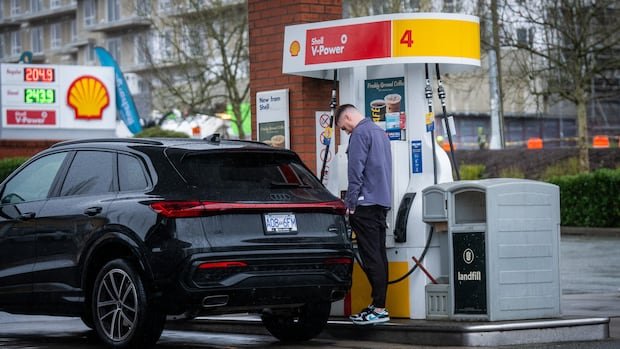

Canada experienced a rise in inflation to three percent in July, driven by escalating tensions in the Middle East leading to higher gas prices. Statistics Canada data revealed a faster growth rate in gas prices at 25.7 percent year-over-year in July, surpassing the 20.5 percent growth rate seen in June. The disruption in shipping routes due to the blockade in the Strait of Hormuz and partial closure of the Red Sea contributed to the pressure on energy prices.
Economists had anticipated a slight increase in inflation to 2.9 percent, but the actual three percent figure exceeded expectations. The cost of travel tours surged in July, attributed to pricier hotels and flights to U.S. destinations during the FIFA World Cup.
Additionally, higher jet fuel costs led to a 12 percent year-over-year increase in air transportation prices in July, up from 9.6 percent in June. However, some upward pressure is expected to diminish as gas prices have slightly decreased in August following the conclusion of the World Cup.
On the other hand, food prices helped offset inflationary pressures in other areas. Inflation for food purchased from stores eased to 3.1 percent in July, down from 3.9 percent in the previous month. Slower growth in fresh vegetables, chicken, and cereal products contributed to the deceleration, while inflation for fresh fruits accelerated to 6.1 percent due to soaring prices of berries and melons.
Despite positive food inflation figures, grocery prices have outpaced the overall consumer price index for 18 consecutive months. Core inflation measures, excluding volatile components like gas and food, showed a slight uptick in July. The consumer price index, excluding gas, rose by 2.2 percent for the third straight month.
BMO’s senior economist Robert Kavcic noted that core inflation measures were slightly higher than expected in July but remained within the Bank of Canada’s target range. The Bank of Canada is anticipated to maintain its benchmark interest rate at 2.25 percent in its upcoming decision on September 2, as both BMO and CIBC economists predict a status quo for the rest of the year.