

Canada’s beef industry remains safe from screwworms, but a recent resurgence in the U.S. prompts caution among Canadian farmers and ranchers. The Canadian Food Inspection Agency (CFIA) has imposed temporary restrictions on livestock imports from affected U.S. regions following the discovery of New World screwworm in a Texas calf. The U.S. Department of Agriculture (USDA) has confirmed additional cases in Texas and New Mexico.
Although the screwworm is unlikely to survive Canadian winters, the CFIA’s livestock ban is crucial to prevent potential incursions that could disrupt export markets. Leigh Rosengren, from the Canadian Cattle Association, emphasizes the importance of safeguarding against screwworm introduction into Canada.
Historically, screwworm flies plagued cattle ranchers until the 1960s when the U.S. eradicated them using sterile male flies. The recent outbreak in Panama, spreading to Central America and Mexico, has raised concerns. Despite the fly’s potential threat to livestock, proper biosecurity measures and vigilant monitoring can mitigate risks.
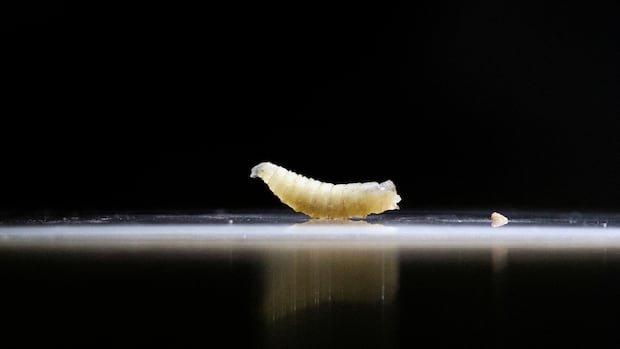
The New World screwworm’s unique larvae eating live flesh poses a serious threat to animals and occasionally humans. Efforts to combat the fly include the release of sterile flies to suppress the population. Investments in fly-breeding facilities aim to ramp up sterile fly production to prevent further infestations.
While the direct risk to Canadian agriculture is minimal, collaboration with South American nations could help eliminate screwworm from the Americas. Cooperation and international efforts are essential to combat this invasive parasite effectively.