
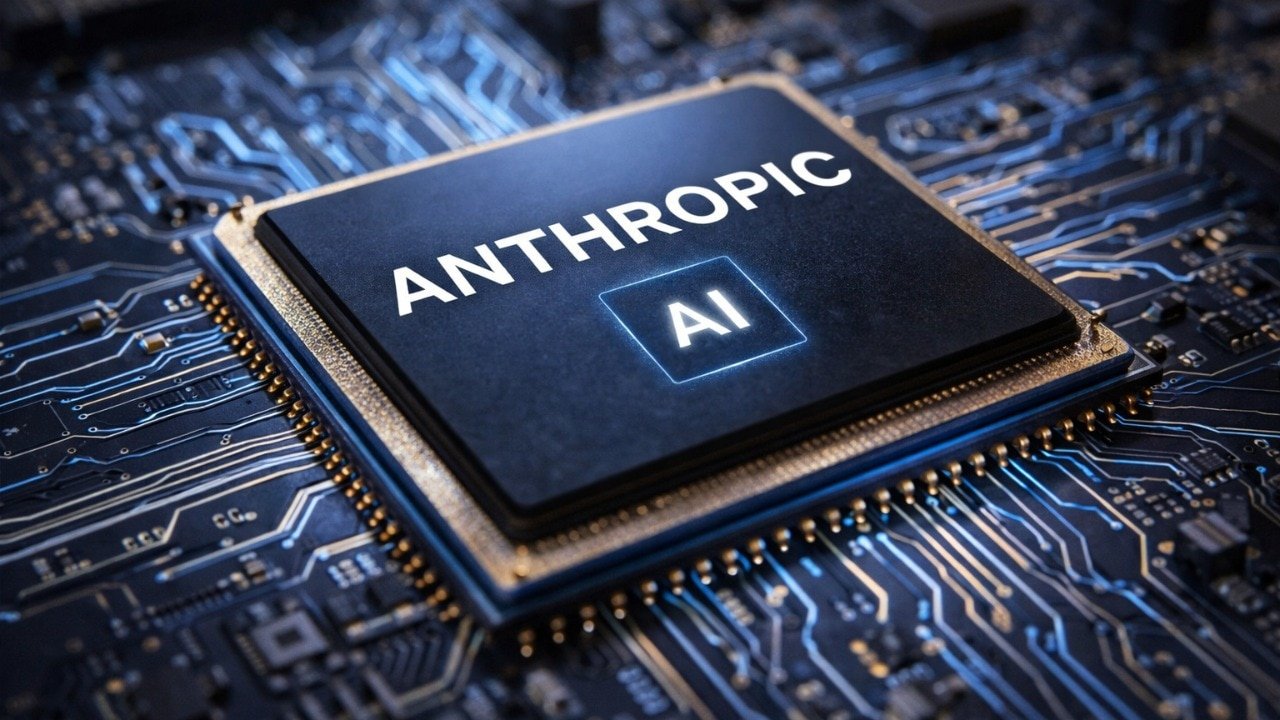

Anthropic, a leading AI firm, is contemplating creating its own AI chips to address the current scarcity of high-performance AI hardware. The company heavily relies on chips from Amazon, Google, and Nvidia to power its AI models, including the Claude AI family. However, with the escalating demand for AI technology, securing access to these chips has become a significant challenge in the industry. This predicament has prompted Anthropic to consider developing its own chips to mitigate dependency on external suppliers and overcome the hardware shortage.
While Anthropic is in the initial stages of exploring this possibility and has not finalized any chip designs or formed dedicated teams yet, the move signifies a strategic shift towards self-sufficiency in hardware solutions. The company’s partnership with Google and Broadcom for tensor processing units (TPUs) is part of a broader initiative involving a substantial $50 billion investment to bolster computing infrastructure in the U.S.
If Anthropic proceeds with developing its own chips, it could potentially reduce its reliance on Google and Nvidia for AI hardware. This strategic move aligns with the current trend among tech giants like Amazon, Google, and Microsoft, who have already ventured into manufacturing their own chips for AI applications. Despite the potential benefits, designing AI chips entails substantial costs, estimated at over $500 million, and requires recruiting specialized engineers and meticulous manufacturing processes.
While the specifics of Anthropic’s chip design remain undisclosed, the company’s strategic intent is clear: to enhance control over performance, cost, and computing resource availability. This endeavor signifies a proactive step towards self-sufficiency and innovation in the AI hardware domain, amidst a landscape where tech giants are increasingly investing in proprietary chip solutions.