
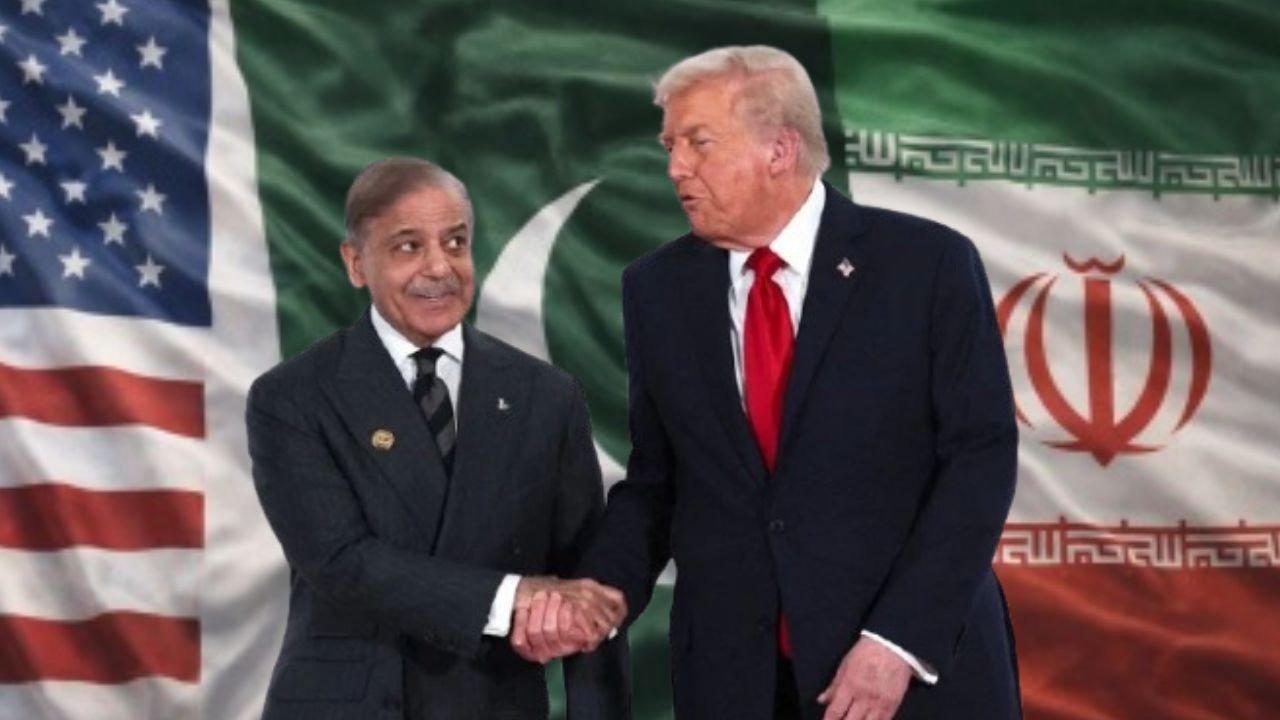

In an exclusive interview, Ayatollah Hakeem Elahi, the representative of Iran’s Supreme Leader in India, praises the recent temporary ceasefire as a victory for Tehran. According to him, U.S. President Trump yielded to Iran’s terms after 40 days of conflict, failing to achieve objectives such as regime change, control over oil resources, or cessation of uranium enrichment.
Elahi highlights the 10 demands put forth by Iran that have now been acknowledged by Washington, including rights related to uranium and sovereignty over the Strait of Hormuz. He dismisses assertions of U.S. triumph, acknowledges Pakistan’s role in mediating, and emphasizes the supervision of Supreme Leader Khamenei amidst concerns regarding Israeli trust.
When asked about his initial response to the temporary truce, Elahi expresses gratitude towards global citizens, particularly those in India, and acknowledges the significant role played by Indian media in covering issues of justice, freedom, and conflict. He asserts that it was President Trump who ultimately acquiesced to Iran’s conditions, recognizing the futility of war and the need for its cessation.
Regarding claims of victory by both Tehran and Washington, Elahi questions the definition of success, pointing out the failure of the U.S. to achieve its stated objectives during the conflict. He emphasizes that Iran’s conditions were accepted, indicating a favorable outcome for Iran.
Elahi further explains that while the U.S. initially proposed 15 conditions for negotiations, Iran only accepted 10 demands, signaling a victory for Iran in the conflict. He clarifies Iran’s stance on non-negotiable terms, including issues related to uranium enrichment and control over the Strait of Hormuz.
When discussing the Strait of Hormuz, Elahi emphasizes the importance of maintaining control over the strategic waterway to prevent potential threats from adversaries, while also expressing a desire for amicable relations with all nations.
Regarding trust issues with Israel and the ceasefire agreement involving Iran, Israel, and the U.S., Elahi indicates ongoing negotiations but clarifies that no final decisions have been made, cautioning against relying solely on media reports.
In response to queries about Pakistan’s role as a mediator, Elahi explains that while Iran did not specifically request mediation, Pakistan and other countries came together to facilitate a ceasefire and resolve the crisis.
Elahi reassures that decisions are being made collectively under the guidance of the new supreme leader, with Ayatollah Mojtaba Khamenei actively involved and overseeing the situation.
The interview concludes with Elahi’s affirmation of Khamenei’s health and leadership, ensuring that all critical matters are being managed under his supervision.