
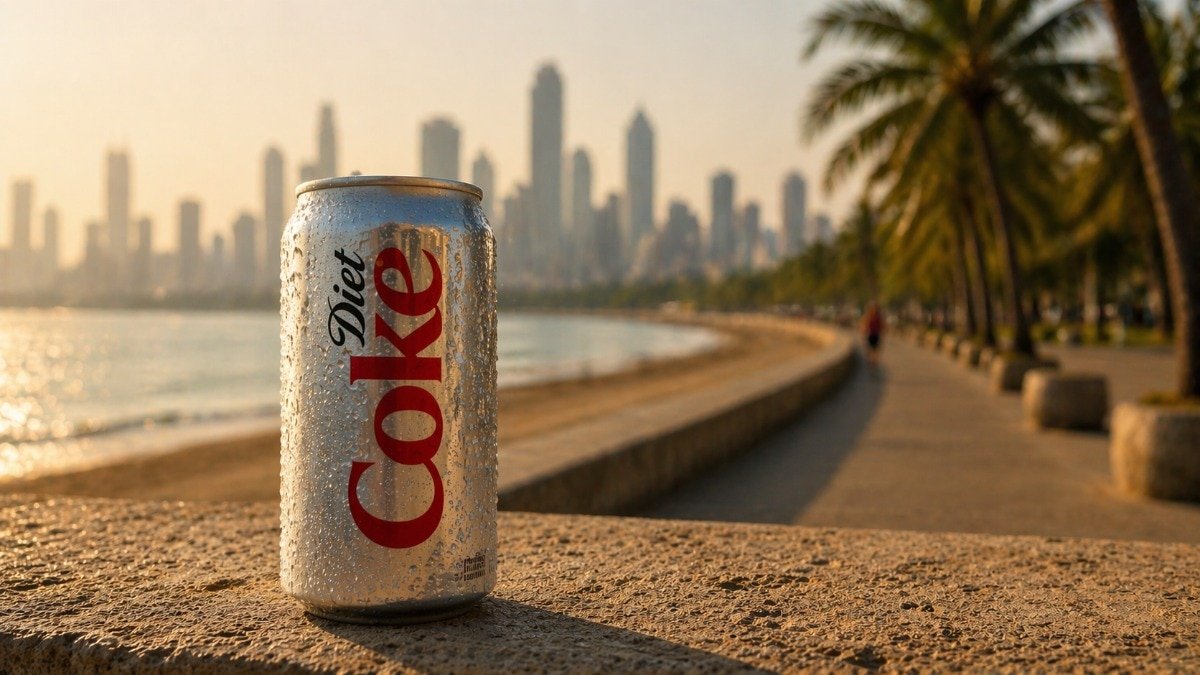

As the summer heat intensifies, many are turning to the familiar chill of Diet Coke in silver cans to cool off. However, this year, the popular sugar-free beverage is facing scarcity on store shelves across various cities just when demand is at its peak, leaving consumers puzzled about its sudden absence.
The shortage of aluminium beverage cans is impacting the availability of Diet Coke and other canned drinks in urban areas. Unlike other colas that are commonly found in plastic bottles or glass containers, Diet Coke heavily relies on cans, making it more vulnerable when the aluminium supply becomes strained. Simultaneously, the demand for sugar-free and low-sugar drinks has surged significantly, with sales in this category doubling over the past year, leading to a situation where demand is rising while supply is contracting.
The root cause of this shortage stems from a notable and prolonged increase in aluminium prices globally. The price of aluminium has soared to four-year highs on the London Metal Exchange, reaching $3,672 per tonne recently. In India, prices have risen to around Rs 375 per kg. This surge is not just about the cost but also the substantial disruption it signifies, described as a rare and unpredictable event in the aluminium market.
The ongoing conflict involving Iran in the Middle East has triggered this disruption. The region accounts for approximately 9% of global aluminium smelting capacity, around 7 million metric tonnes. Although not a major producer, any disturbances in the Middle East affect global trade routes and supply chains due to increased shipping costs, disrupted routes like the Strait of Hormuz, and uncertainties regarding essential raw materials like alumina.
Detailed estimates indicate a supply deficit of at least 2 million tonnes this year, with limited visible inventory to cushion the impact. The tightness in the market is further exacerbated by constrained production capacities in major producing regions like China, the US, and Europe. Alongside geopolitical factors, strong demand from construction, automotive, and packaging industries, supply disruptions, and escalating energy costs are pushing aluminium prices higher.
For beverage companies, this disruption translates into immediate challenges. With local supply falling short, firms are resorting to importing aluminium cans from regions such as West Asia and Southeast Asia at increased costs. As packaging expenses rise across the board, manufacturers are adjusting production capacities and prioritizing products based on margins and availability. Consequently, consumers, especially younger ones, are experiencing difficulties in finding their favored Diet Coke, highlighting the far-reaching impact of global disruptions on everyday products.
This situation serves as a poignant reminder of the intricate interconnection between everyday products and broader global dynamics. The scarcity of Diet Coke this summer is not merely a supply issue but a reflection of how deeply intertwined the world’s systems are, underscoring how swiftly global influences can resonate at a local consumer level.