
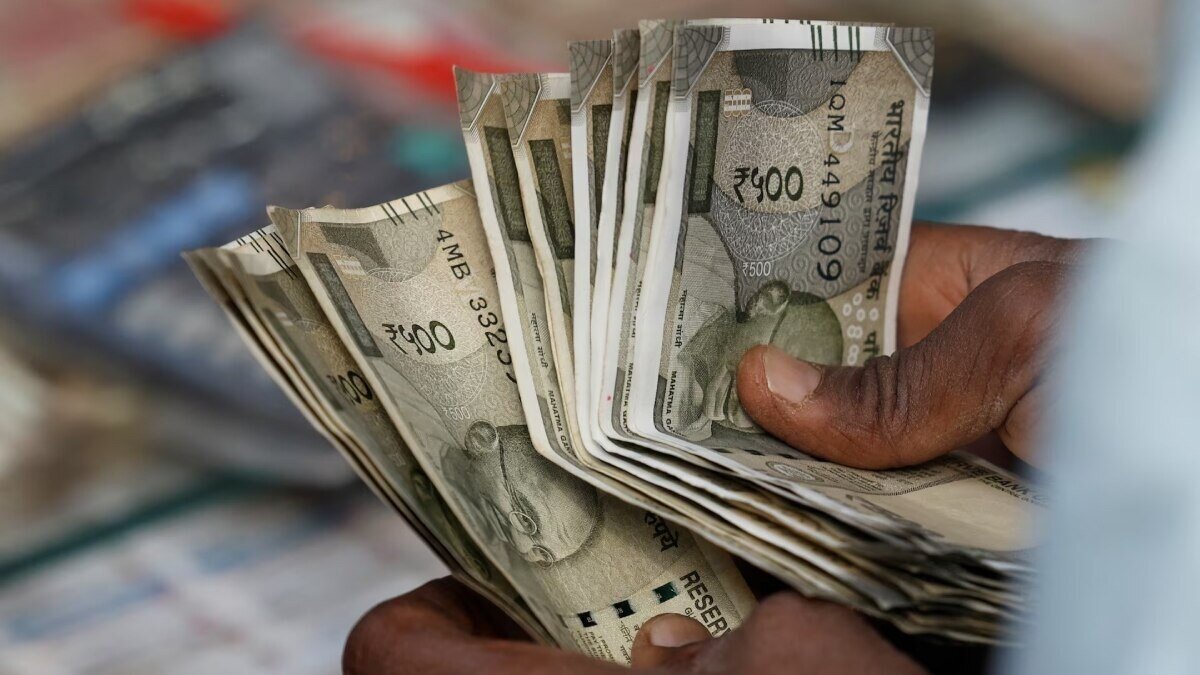

The Indian rupee began trading with a weaker stance on Thursday, declining by 0.2% against the US dollar to 94.0050 from the previous close of 93.7950. This drop occurred in response to a surge in crude oil prices, with Brent crude hovering around $103.42 per barrel and WTI crude at $94.59 per barrel, marking respective increases of 1.48% and 1.75%. The substantial spike in oil prices is a primary factor contributing to the rupee’s depreciation.
The recent surge in Brent crude oil prices above $100, the first time in over two weeks, can be attributed to stalled peace negotiations between Iran and the US, coupled with ongoing disruptions in the Strait of Hormuz, a critical passage for global oil transportation. ANZ Bank has characterized this situation as a form of brinkmanship, warning that prolonged disruptions in the waterway could escalate supply shortages and inflation risks.
The rupee has already experienced a nearly 1% decline this week, surpassing its recent highs of approximately 92.50. The previous surge was largely supported by initiatives undertaken by the Reserve Bank of India (RBI) in March and April, but market observers now believe that the relief rally has concluded.
Currency traders anticipate a breach of the 94 mark soon, as the earlier upward trend from 95 to 92.50 is perceived as a short-term rebound. Despite RBI interventions through dollar sales to moderate the rupee’s decline, the impact has been limited. Strong dollar demand from oil companies, combined with constrained overall dollar supply, has presented challenges for the RBI in curbing the rupee’s downward trajectory.
Jateen Trivedi, VP Research Analyst at LKP Securities, highlighted that the rupee’s weakness is influenced by escalating oil prices, global uncertainties, and the RBI’s relaxation of forex restrictions on derivative trades. With the US dollar index holding steady around 98 and ongoing US-Iran developments causing market caution, Trivedi emphasized that the rupee’s performance will be influenced by crude prices and geopolitical updates in the near term.
Given the persistent rise in crude oil prices and geopolitical tensions, the rupee is expected to face continued pressure. The currency’s trajectory will closely align with oil price movements and global developments, particularly concerning Iran and the Strait of Hormuz. Despite RBI interventions, the rupee is anticipated to maintain a close correlation with oil prices, lacking substantial support.