
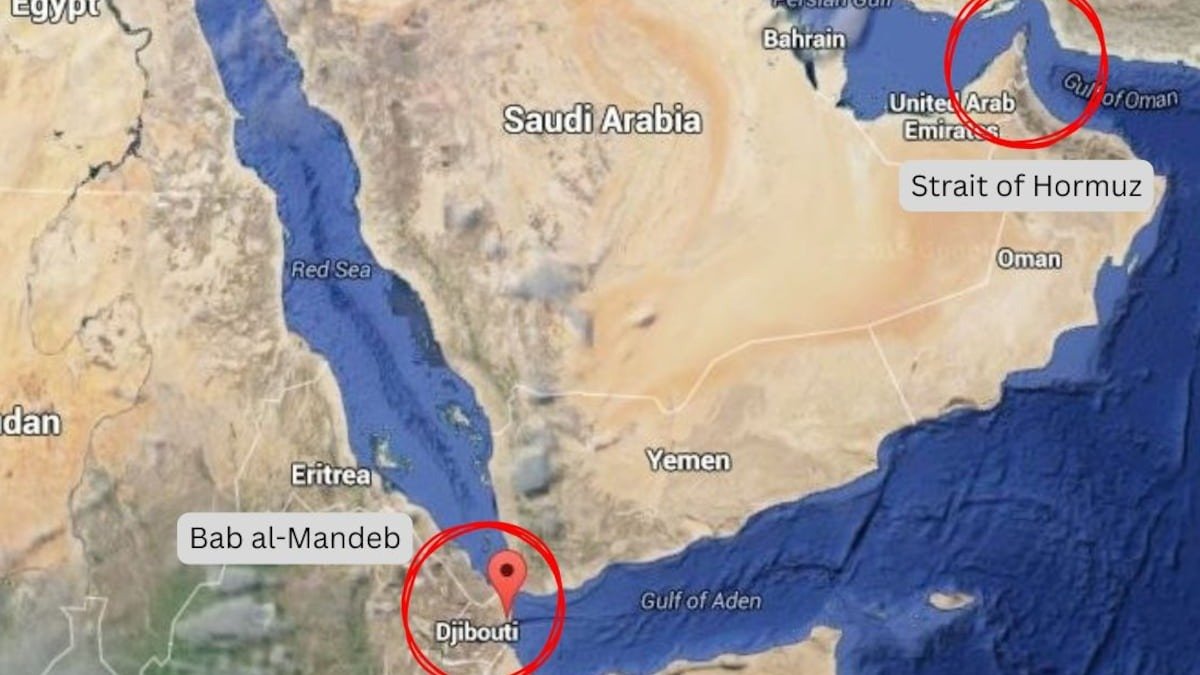

Iran has hinted at the possibility of shifting its focus to the Bab el-Mandeb Strait, in addition to the existing pressure on the Strait of Hormuz. The Iranian parliamentary leadership’s comments have raised concerns about disruptions to global supply chains and energy flows.
The Iranian Parliament Speaker, Mohammad Bagher Ghalibaf, suggested that targeting the Bab el-Mandeb Strait could impact global trade significantly. He questioned the share of global oil, LNG, wheat, rice, and fertilizer shipments passing through the strait, as well as the countries and companies with the highest transit volumes, indicating Iran’s strategic assessment of potential disruptions.
This strategic move by Iran comes amidst its control over the vital oil corridor of the Strait of Hormuz, leading to increased costs and challenges for international shipping. By considering the Bab el-Mandeb as another critical maritime chokepoint connecting the Red Sea to the Gulf of Aden, Iran appears to be expanding its strategic influence.
Ghalibaf’s statements highlight the vulnerability of global supply chains, particularly in energy and essential commodities. Secure passage through narrow maritime routes is crucial for the transportation of oil, LNG, wheat, and rice, and any disruption at Bab el-Mandeb could have far-reaching consequences on energy markets, food security, and trade flows.
The questions raised by the Iranian Speaker go beyond rhetoric, indicating a calculated effort to identify leverage points against adversaries. By emphasizing the countries and companies heavily reliant on the Bab el-Mandeb route, Iran is signaling its capacity to escalate pressure if necessary.
These developments add to the escalating tensions in the region, driven by Iran’s responses to pressure from the US and its allies. The potential for disruptions at multiple maritime chokepoints raises concerns about broader economic repercussions, with no immediate resolution in sight.