
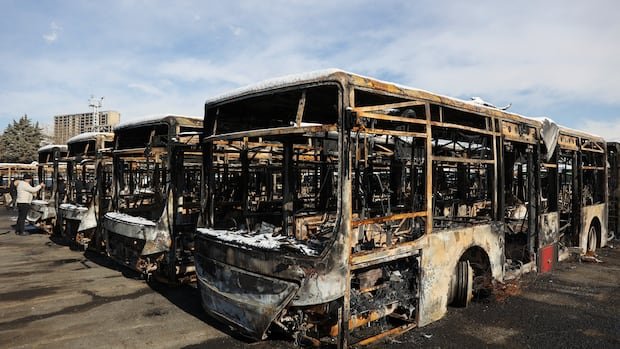


Iran’s recent internet blackout has concealed a grim reality of the violent crackdown on anti-government demonstrations, marking one of the harshest responses in the country’s history. While official figures from Iranian state television report just over 3,000 deaths, external sources suggest the death toll exceeds 4,000 and is rising. The U.S.-based Human Rights Activists News Agency, known for accuracy in such matters, has been tracking the casualties.
According to Soran Mansournia, an Iranian activist in the Netherlands, the actual death toll may be higher once internet access is restored. Reports indicate that protesters are being forcibly removed from hospitals, families are being asked to pay for the release of deceased relatives, and security forces are targeting individuals using portable satellite dishes.
Despite global outrage, the Iranian regime’s grip remains strong, with little visible dissent within the government or its security apparatus. The situation has prompted discussions on the international stage regarding Iran’s future and the potential for change within the country. However, without significant shifts in U.S. sanctions policy and internal governance, the regime’s stability remains unchallenged.
While some believe that the recent protests may not immediately topple the regime, there is a sense of inevitability regarding future uprisings. Mansournia, who lost his brother in a previous protest, remains hopeful for change in Iran but stresses the need for international action, including designating the Revolutionary Guard as a terrorist organization and closing Iranian embassies abroad, to bring about meaningful transformation.