
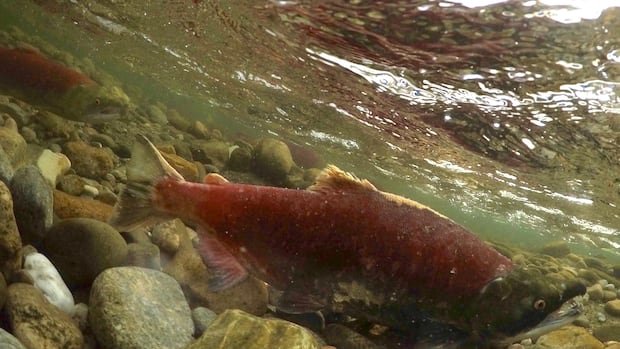

Low snowpack levels on Vancouver Island are causing concern among researchers regarding the well-being of salmon populations already facing habitat degradation, overfishing, and warmer waters. The latest snowpack report reveals that Vancouver Island’s snowpack levels are at 44 percent of the usual amount as of April 1.
Experts predict that lower snowpack levels will result in rapid snowmelt this spring, leading to decreased water levels and dried-up pools when adult salmon return to rivers from their spawning grounds in the fall. To address these challenges, researchers emphasize the importance of collaboration between the province and local communities to safeguard watersheds and salmon populations while mitigating the impacts of climate change.
Watershed Watch Salmon Society executive director Aaron Hill warns that the combination of low snowpack and warmer temperatures could spell disaster for salmon. He highlights a recurring pattern of droughts and floods in the province, putting significant pressure on salmon populations.
Habitat biologist Tom Balfour from the Redd Fish Restoration Society notes that diminished snowpack levels may result in significant die-offs of juvenile salmon in certain pools during the summer, potentially impacting larger salmon populations. The accelerated snowmelt process due to low snowpack levels can disrupt salmon life cycles as they adapt to increased spring water levels.
Balfour urges the public to advocate for long-term conservation and restoration efforts in watersheds and to remain vigilant for stranded fish and drying pools in the upcoming seasons. He emphasizes the need for enhanced monitoring and proactive measures from both the government and the public.
Professor John Richardson from the University of British Columbia underscores the vulnerability of salmon to predation in streams and lakes with reduced water volumes due to lower snowmelt. He calls for forestry industry initiatives to maintain tree cover near smaller streams, providing crucial shade for salmon and helping regulate water temperatures to mitigate the effects of climate change.
In conclusion, stakeholders are urged to support measures that protect salmon habitats, promote climate resilience, and enhance water sustainability planning to address the challenges posed by low snowpack levels and ensure the well-being of salmon populations in the region.