
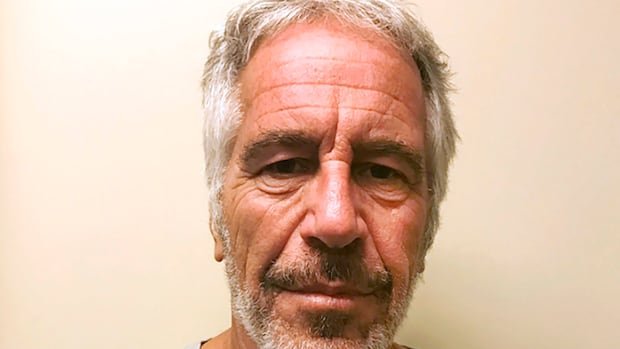

Nearly six years following his guilty plea to a disqualifying offense, Jeffrey Epstein made a trip to Canada, leaving authorities silent on how he managed to enter the country. Travel records unveiled Epstein’s 2014 visit to Vancouver among the massive document release by the U.S. Department of Justice, shedding light on his involvement in a child sex trafficking network supposedly catering to influential individuals.
Despite Epstein’s 2008 admission of guilt and subsequent jail time for soliciting prostitution from a minor, his entry into Canada remains a mystery. An official letter from the Canadian consulate in Los Angeles in 2018 stated that Epstein, being a U.S. citizen, should have been barred from entering Canada due to his criminal record.
The correspondence rejected Epstein’s plea for a temporary resident permit that would have allowed him to travel to Canada despite his convictions. Such permits are typically granted in exceptional circumstances, either for humanitarian reasons or when serving compelling Canadian interests.
Despite this, Epstein was able to travel to and from Canada four years prior, despite his criminal past. Records showed he had reservations for Vancouver in March 2014, attending a TED conference and booking a massage at the Four Seasons hotel during his stay.
Federal officials have remained tight-lipped regarding how Epstein was allowed entry during that visit. When questioned by CBC News, Immigration, Refugees and Citizenship Canada redirected inquiries to the Canada Border Services Agency (CBSA), which declined to provide any comments citing privacy regulations.
Former Canada Minister of Citizenship and Immigration in 2014, Chris Alexander, expressed surprise at Epstein’s visit, emphasizing that individuals with criminal backgrounds, including U.S. citizens, were not supposed to be granted entry into Canada. He highlighted that stringent enforcement of immigration laws was imperative.