
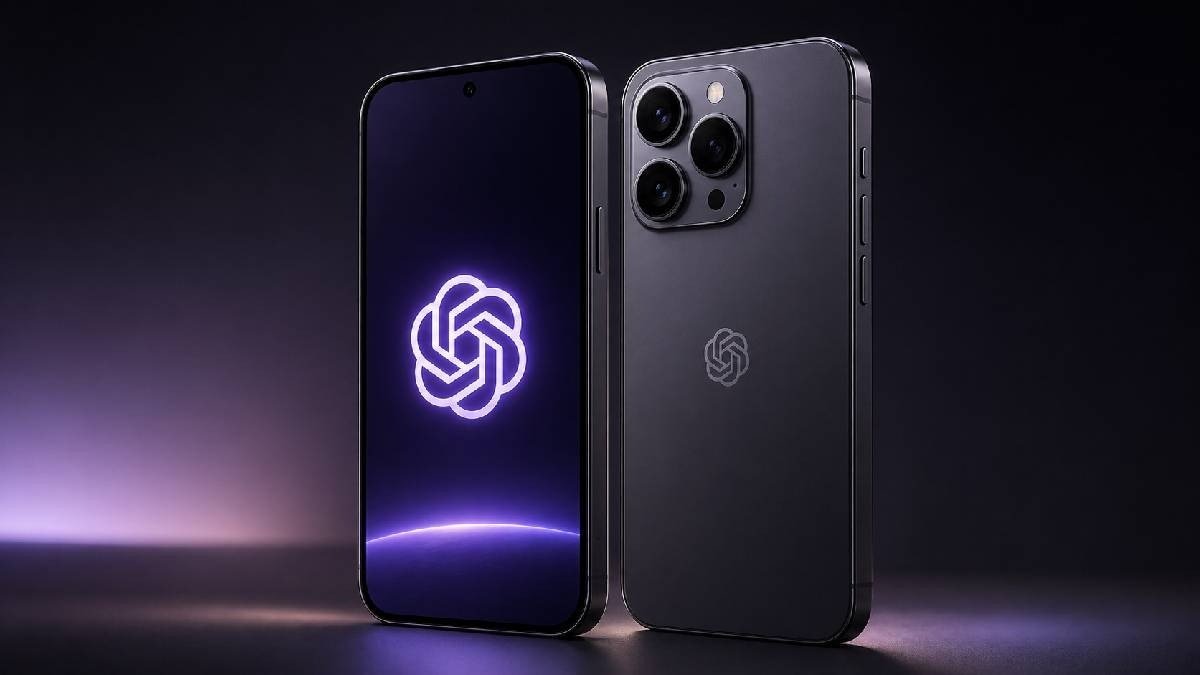

OpenAI’s venture into hardware development has been the subject of speculation, with recent reports shedding light on an upcoming device collaboration. Analyst Ming-Chi Kuo’s insights, featured in an X article, reveal OpenAI’s partnership with MediaTek and Qualcomm to craft smartphone processors. Luxshare is also onboard as the exclusive system co-design and manufacturing partner, gearing up for mass production slated to kick off in 2028. This strategic move underscores OpenAI’s pivot towards hardware innovation, aiming to tailor devices for AI-centric experiences rather than conventional app usage.
While smartphones have seen incremental updates over recent years, OpenAI aims to revolutionize the landscape. Ming-Chi Kuo underscores OpenAI’s vision of an AI-driven smartphone, where users interact with an AI agent to streamline tasks and fulfill their needs directly, shifting the paradigm from app-centric to intent-focused user experiences.
The rationale behind OpenAI’s foray into smartphones, as articulated by Ming-Chi Kuo, revolves around the potential to offer a fully integrated AI agent experience by controlling both hardware and operating systems. Smartphones, being adept at capturing real-time user context, stand out as ideal platforms for contextual AI inference, projected to dominate the device market in the foreseeable future.
Despite OpenAI’s lack of smartphone experience, its strengths in consumer branding, rich user data repositories, and cutting-edge AI models position it favorably for this venture. By leveraging existing supply chains and differentiating through AI capabilities, OpenAI can potentially revolutionize software distribution and monetization on mobile devices by bundling subscriptions with hardware.
Ming-Chi Kuo hints at OpenAI’s smartphone design focusing on a seamless blend of on-device and cloud-based AI functionalities. The envisioned device would prioritize understanding user context, emphasizing power efficiency, memory management, and optimal processor design to execute tasks efficiently. Complex tasks requiring intensive computing would be offloaded to the cloud, ensuring performance without compromising battery life in line with the evolving trend of distributing AI workloads across local and remote systems.
The collaboration with MediaTek and Qualcomm as processor co-development partners underscores OpenAI’s strategy to harness their expertise in mobile chip design. Finalization of specifications and supplier decisions is anticipated by late 2026 or early 2027, with a significant long-term growth potential foreseen for these partners in the high-end smartphone segment driven by AI-centric devices.
Luxshare’s involvement in OpenAI’s hardware project signals a substantial opportunity for the company to enhance its standing within Apple’s supply chain hierarchy. Early participation in OpenAI’s hardware initiatives could position Luxshare advantageously in the forthcoming smartphone wave, especially if AI-driven devices spark a new industry upgrade cycle.