

Pakistan has made the decision to repay its entire debt of USD 3.5 billion to the United Arab Emirates (UAE) by the end of April following a recent request from the Gulf state, as reported by news agency PTI. A senior Pakistani cabinet minister confirmed this development.
The UAE has requested the immediate repayment of the loans provided to Pakistan during the turbulent period in the Gulf region amid the US-Israel-Iran conflict.
The decision to clear the debt was communicated by the political leadership to a group of reporters, with the minister assuring that the full amount would be returned. Additionally, discussions are in progress regarding the potential conversion of a portion of the outstanding debt into investments, as per statements from senior officials quoted by The Express Tribune.
The repayment schedule has been finalized, with USD 450 million to be repaid on April 11, followed by USD 2 billion on April 17, and another USD 1 billion on April 23. Plans are being made to utilize funds from the central bank’s foreign exchange reserves amounting to USD 16.4 billion.
Of the total debt, USD 450 million dates back to a loan taken in 1996-97, which is now scheduled to be settled after nearly three decades.
The decision to repay the debt comes amidst changing dynamics related to the loans. Earlier, the UAE had been hesitant to extend long-term rollovers and had opted for short-term extensions instead. The acceleration in decision-making is believed to be influenced by the ongoing US-Israel-Iran conflict, leading to the current repayment plan.
Under the USD 7 billion International Monetary Fund (IMF) program, the UAE, Saudi Arabia, and China had committed to maintaining a combined USD 12.5 billion in deposits with the State Bank of Pakistan until the program concludes in September 2027.
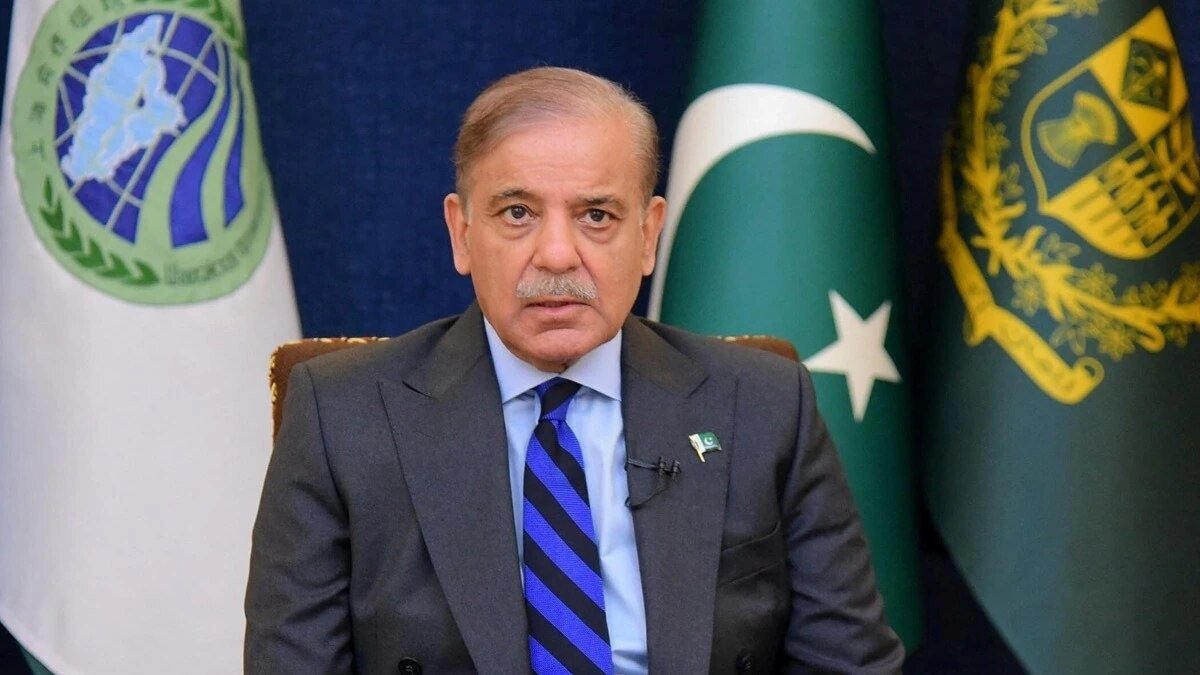
Efforts to negotiate relief had been ongoing, with SBP Governor Jameel Ahmad requesting a two-year rollover of USD 2.5 billion in UAE debt at a reduced interest rate in December. Prime Minister Shehbaz Sharif had also engaged with the UAE President on the matter, indicating an agreed rollover without specific details.
The financial assistance from the UAE to Pakistan has evolved over time, with a USD 2 billion loan extended in 2018 being repeatedly rolled over. An additional USD 1 billion was provided in 2023 to aid Islamabad in meeting IMF-related external financing requirements. Despite indications of monthly rollovers, formal repayment has now been requested.
In total, Pakistan is set to repay USD 4.8 billion in April, including a USD 1.3 billion Eurobond maturing on April 8, as reported by The Express Tribune.
Despite the outflows, the cabinet minister reassured that foreign exchange reserves are at ‘comfortable’ levels, highlighting past instances where the country managed with reserves covering only a week of imports.
Earlier this year, PM Shehbaz Sharif acknowledged the improvement in reserve levels, largely attributed to USD 12 billion in deposits from friendly nations. However, he expressed concerns about the country’s reliance on external support, noting the constraints it imposes.
Challenges persist on the economic front, with exports declining by 8 per cent in the first nine months of the current fiscal year. This poses obstacles to the government’s goal of doubling outbound shipments to exit the IMF program. Foreign investment has also seen a sharp decline this year.
Regarding borrowing costs, the UAE initially offered loans at 3 per cent interest in 2018, which was increased to 6.5 per cent last year. Pakistan has been advocating for a reduction in interest rates back to around 3 per cent, citing improved credit ratings and global interest rate trends.
Efforts to raise USD 250 million through a Panda Bond issuance in January faced challenges, with officials attributing the setback to mismanagement of the process.