
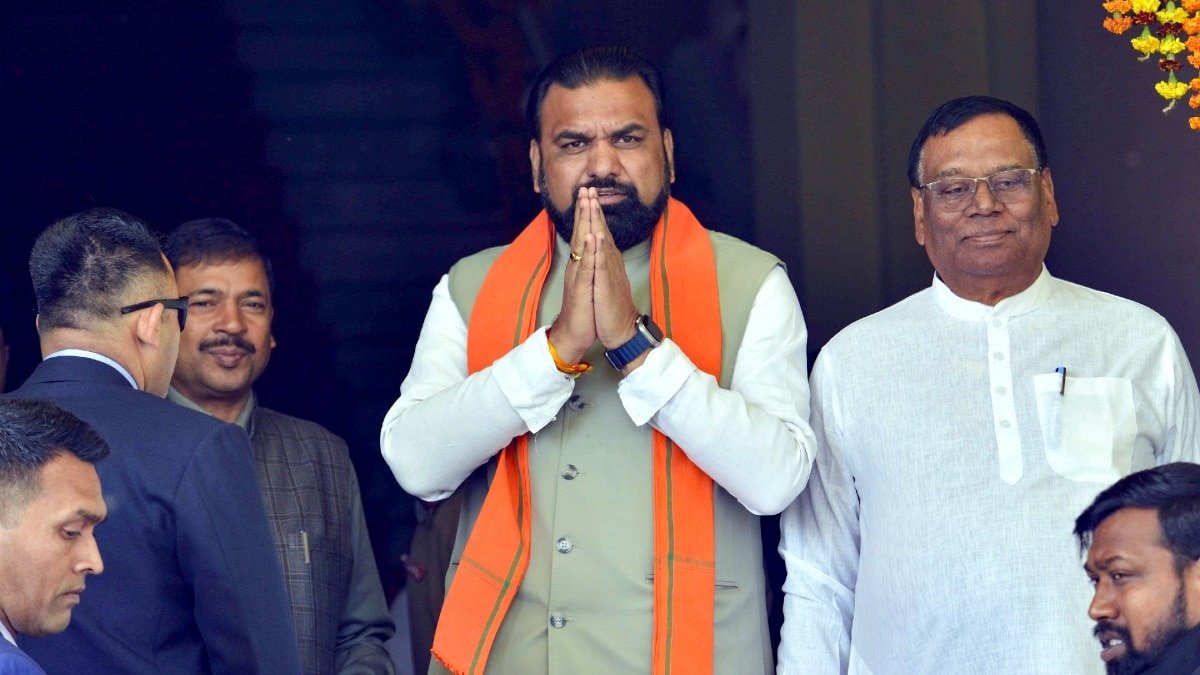

Samrat Choudhary has been chosen as the incoming Bihar Chief Minister following his selection as the BJP legislative party leader on Tuesday, succeeding the long-standing leadership of Nitish Kumar. This transition signifies a significant shift in Bihar’s political landscape, highlighting the BJP’s intent to take charge independently rather than relying on alliances.
Choudhary’s appointment is backed by a blend of extensive political experience, solid caste support, and proven administrative capabilities. With a political journey dating back to 1990, he has navigated through key political epochs in Bihar, offering a deep understanding and grassroots connection. Notably, his affiliation with the Kushwaha or Koeri community, constituting a notable portion of Bihar’s populace alongside Nitish Kumar’s Kurmi community, reinforces his support base within the state’s demographic.
His administrative prowess, honed through roles like Deputy Chief Minister since 2024, overseeing crucial portfolios such as finance and urban development, has equipped him with hands-on experience in governance. Choudhary’s political trajectory spans over three decades, transitioning through various party affiliations and showcasing adeptness in adapting to Bihar’s political dynamics.
Despite initial differences with Nitish Kumar, Choudhary’s tenure as Deputy Chief Minister fostered a collaborative relationship, underscoring the fluidity of coalition politics in Bihar. His journey, marked by controversies including past legal entanglements and scrutiny over qualifications, culminates in his elevation to the Chief Ministerial role, emblematic of BJP’s strategic consolidation in Bihar’s political narrative.