
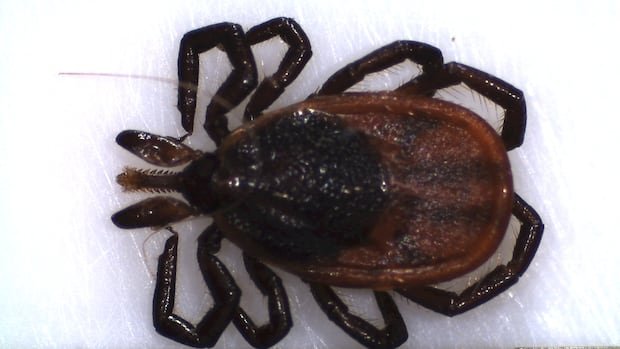


Nova Scotia’s snowy winter may not result in fewer ticks this year as anticipated. Experts caution that deep and prolonged snow cover can actually benefit these resilient creatures by providing insulation. Laura Ferguson, an assistant professor at Acadia University, explained that ticks have likely survived the winter due to the protective snow layer. Despite some cold spells, tick-killing temperatures arrived after the snow had already shielded them.
Ticks typically seek sheltered locations like under leaf litter during winter and can survive for months without feeding. Extreme low temperatures below –10 C without protective coverings can lead to mortality. Jantina Toxopeus, an associate professor at St. Francis Xavier University, noted that ticks freeze at temperatures below –15 C in laboratory settings. She highlighted that gradual temperature changes are better tolerated by ticks compared to sudden shifts.
Despite past extreme cold temperatures in Nova Scotia, ticks have proven resilient. Ferguson doesn’t anticipate a significant change in this year’s tick population compared to previous years. The robust tick population is expected to persist, as they have shown adaptability to cold conditions.
In summary, the snowy winter in Nova Scotia is unlikely to reduce the tick population significantly. Ticks have demonstrated their ability to survive in cold temperatures, emphasizing the challenges in controlling their numbers.