
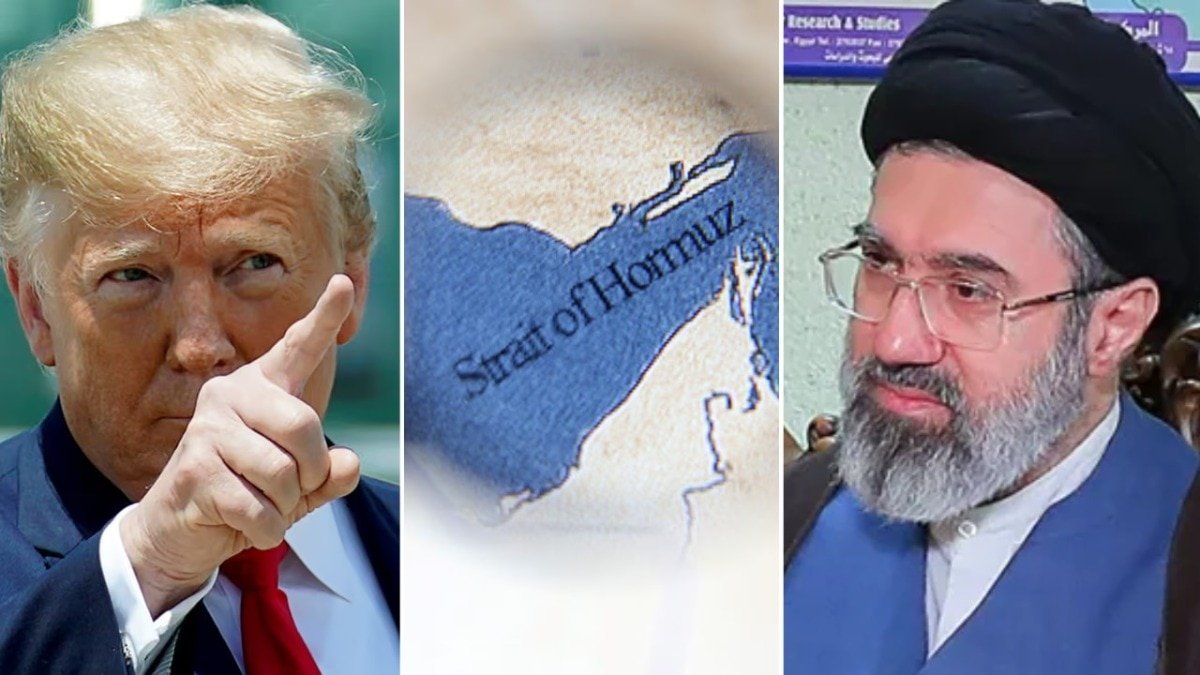

The United States and Iran are considering extending their ceasefire by two weeks, which is scheduled to end on Tuesday. This extension is being contemplated to provide more time for negotiations, as reported by Bloomberg. According to a source familiar with the situation, mediators are striving to arrange technical discussions aimed at resolving key issues such as the reopening of the Strait of Hormuz and Iran’s nuclear enrichment program.
Recent reports from Axios indicate that US and Iranian negotiators have made progress towards a framework agreement to end the conflict. US officials have been actively engaging with various countries to facilitate these discussions. Additionally, representatives from Pakistan, Egypt, and Turkey are playing a supportive role in bridging the remaining gaps before the ceasefire deadline.
US President Donald Trump’s negotiating team, which includes Vice President JD Vance, envoy Steve Witkoff, and adviser Jared Kushner, has been exchanging draft proposals with Iranian officials and intermediaries behind the scenes. Vance expressed optimism about the progress made during initial talks in Pakistan, stating that the parties involved are inclined towards reaching a deal.
President Trump has expressed positivity about the situation, mentioning in an interview that the war is nearing an end. While there is no formal agreement yet to extend the ceasefire, the US remains engaged in discussions with Iran. Alongside diplomatic efforts, the US Central Command has implemented a naval blockade on Iranian ports, significantly impacting Iran’s oil exports and pressuring Tehran to engage in negotiations.
The mounting pressure on Iran, compounded by the naval blockade restricting oil revenues, is pushing the country towards seeking a resolution. Pakistan has escalated its mediation efforts, with Army chief Asim Munir visiting Tehran for ongoing diplomatic endeavors. Meanwhile, regional tensions persist, with Israel convening its security cabinet post-direct talks with Lebanon amidst conflict involving Iran-backed Hezbollah.
While progress is evident, officials caution that securing a final deal is not guaranteed. Even if a framework agreement is reached, the possibility of extending the ceasefire to finalize a comprehensive settlement remains on the table.